

Choosing the right flooring for each room in a home is a crucial decision. Different spaces have different needs, and some areas require special attention due to moisture concerns. Bathrooms and mudrooms, for example, need water-resistant options to withstand daily use.
The world of flooring offers many choices that blend style with function. Popular flooring options for new homes range from classic hardwood to modern vinyl and tile. These materials can enhance a room’s look while meeting practical needs like easy cleaning and durability.
| Flooring Type | Description | Pros | Cons |
|---|---|---|---|
| Solid Hardwood | Planks milled from a single piece of timber (oak, maple, walnut). Best for living rooms, bedrooms, and dining areas. | Timeless beauty; can be refinished multiple times; adds home value. | Susceptible to moisture and scratches; higher cost; requires periodic refinishing. |
| Engineered Wood | Thin real wood veneer over plywood layers for stability. Best for kitchens, basements, and open-plan spaces. | More moisture-resistant than solid wood; similar appearance; easier installation. | Limited refinishing; veneer thickness varies; can be pricier than laminate. |
| Ceramic & Porcelain Tile | Durable fired clay tiles available in many colors, textures, and sizes. Best for bathrooms, kitchens, and entryways. | Waterproof; stain- and scratch-resistant; low maintenance. | Cold underfoot; grout requires cleaning; can crack if subfloor shifts. |
| Luxury Vinyl Plank/Tile (LVP/LVT) | High-definition vinyl that mimics wood, stone, or tile. Best for bathrooms, kitchens, basements, and mudrooms. | Waterproof; soft underfoot; easy DIY install; budget-friendly. | Can off-gas VOCs; may dent under heavy furniture; limited lifespan vs. tile. |
| Laminate | Multi-layer synthetic flooring with a photographic layer under a clear protective layer. Best for living rooms, bedrooms, and low-moisture areas. | Very affordable; scratch-resistant; wide design variety. | Not truly waterproof; can swell if water seeps in; cannot refinish. |
| Carpet | Textile floor covering available in plush, loop, and cut-loop piles. Best for bedrooms, home offices, and family rooms. | Soft and warm; excellent sound absorption; wide color/pattern range. | Stains easily; traps allergens; requires regular cleaning. |
| Natural Stone | Quarried stone (marble, granite, slate, travertine) cut into tiles or slabs. Best for entryways, kitchens, and bathrooms. | Unique character; extremely durable; adds luxury appeal. | High cost; porous (needs sealing); cold and hard underfoot. |
| Polished Concrete | Existing slab ground and polished to a smooth, glossy finish. Best for basements, garages, and modern living areas. | Ultra-durable; modern industrial look; low maintenance. | Hard and cold; may crack; sound-reflective without rugs. |
| Cork | Harvested from cork oak bark and pressed into tiles or planks. Best for beside beds, home offices, and family rooms. | Eco-friendly; soft/comfy; excellent thermal and acoustic insulation. | Can fade in sunlight; vulnerable to dents; requires periodic sealing. |
| Bamboo | Manufactured from bamboo strips glued into planks. Best for living rooms, bedrooms, and dining areas. | Rapidly renewable; similar hardness to hardwood; modern aesthetic. | Quality varies; sensitive to humidity changes; can scratch. |
Modern Wood Floor Options
Hardwood flooring brings a classic look to homes, adding warmth and style to any room. These floors are tough and can handle lots of foot traffic. New types of hardwood can even be used in kitchens and bathrooms.
Wood floors work well with many decor styles. They provide a neutral base for furniture and colors. Wood is also good for people with allergies. It doesn’t trap dust or allergens like some other floors.
Many wood floor options exist:
- Oak (white or red)
- Maple
- Walnut
Engineered wood is becoming more popular. It looks like solid wood but is more stable. Wide planks are a trend in wood flooring. They can make rooms feel bigger.
Some people like wood with character. Rustic floors with knots and marks are in style. Others prefer smooth, clean looks.
Wood floors can be laid in different patterns:
- Straight rows
- Herringbone
- Chevron
Light woods are trendy now. They brighten up spaces and feel modern. But dark woods still have fans who love their rich look.
Wood floors last a long time and can often be refinished to look new again, making them a good long-term choice for homes.
Popular Tile Flooring Options
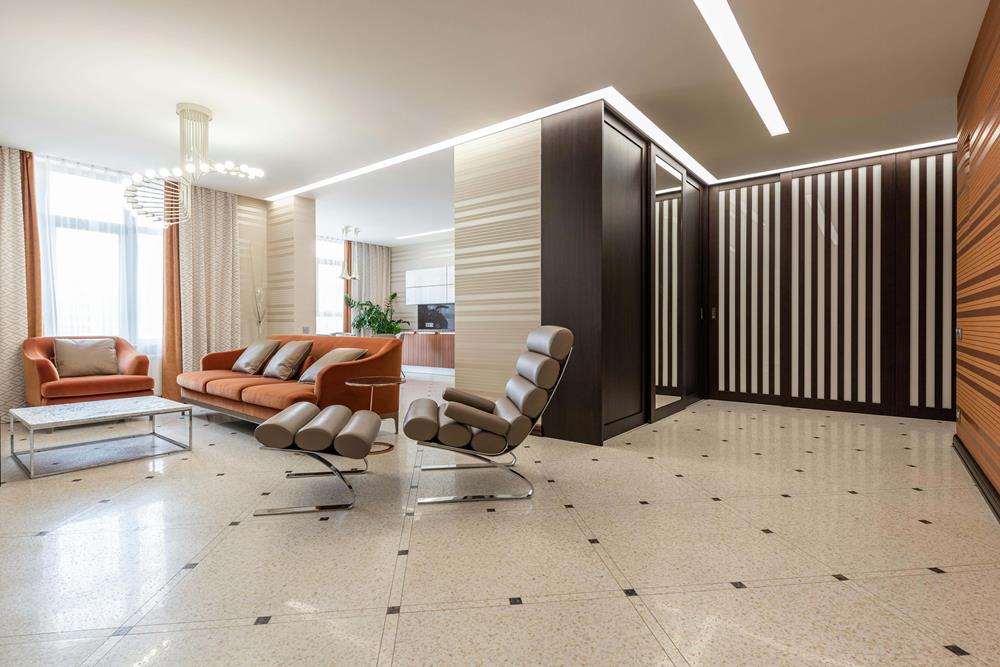
Tile flooring remains a top choice for kitchens and bathrooms due to its water-resistant qualities and long-lasting nature. Many homeowners opt for tiles that mimic natural materials like stone or wood. Marble, limestone, and slate are timeless picks often seen in new builds. For a modern look, concrete-inspired tiles are gaining traction.
In colder areas, tile can feel chilly underfoot. To fix this, some people install heating systems beneath the tiles. This adds warmth and comfort to the space.
Those seeking a warmer or more budget-friendly option might consider laminate or luxury vinyl flooring. These materials can give a tile-like appearance at a lower cost while still offering durability and style.
Top Luxury Vinyl Flooring Options
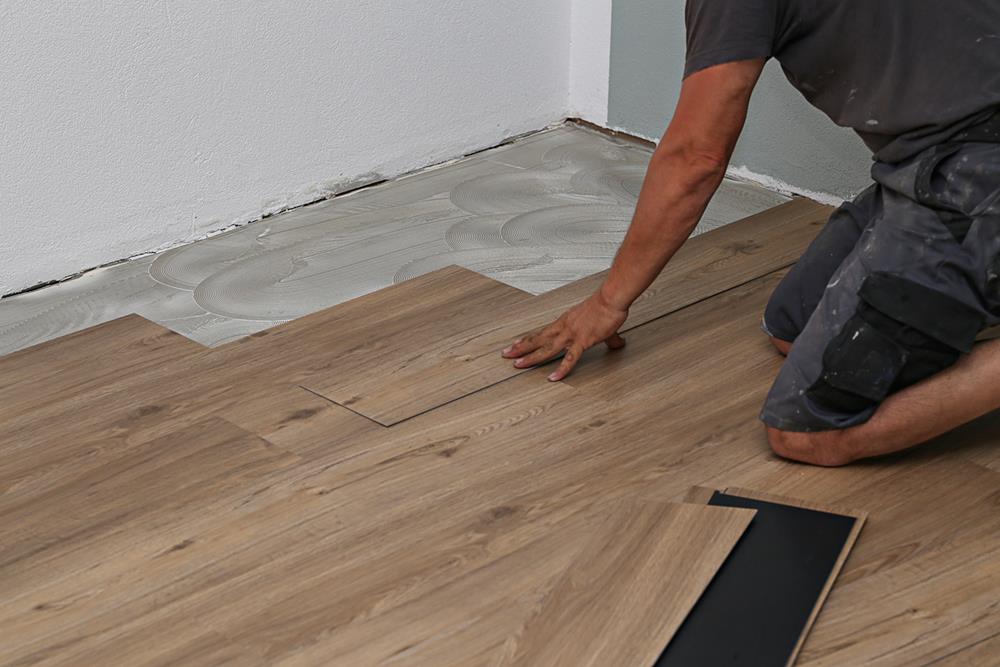
Luxury vinyl flooring has become a go-to choice for many homeowners. This popular option offers a mix of style and function. It’s tough, easy on the wallet, and feels nice to walk on. Luxury vinyl can handle water and spills, making it great for bathrooms and kitchens. It also works well in mudrooms and other busy areas.
One big plus is how it looks. Luxury vinyl can mimic pricier materials like:
- Marble
- Hardwood
- Stone
This trick lets people achieve high-end looks without the high costs. More and more people are choosing luxury vinyl for their homes because it checks so many boxes.
Affordable Laminate Floor Options
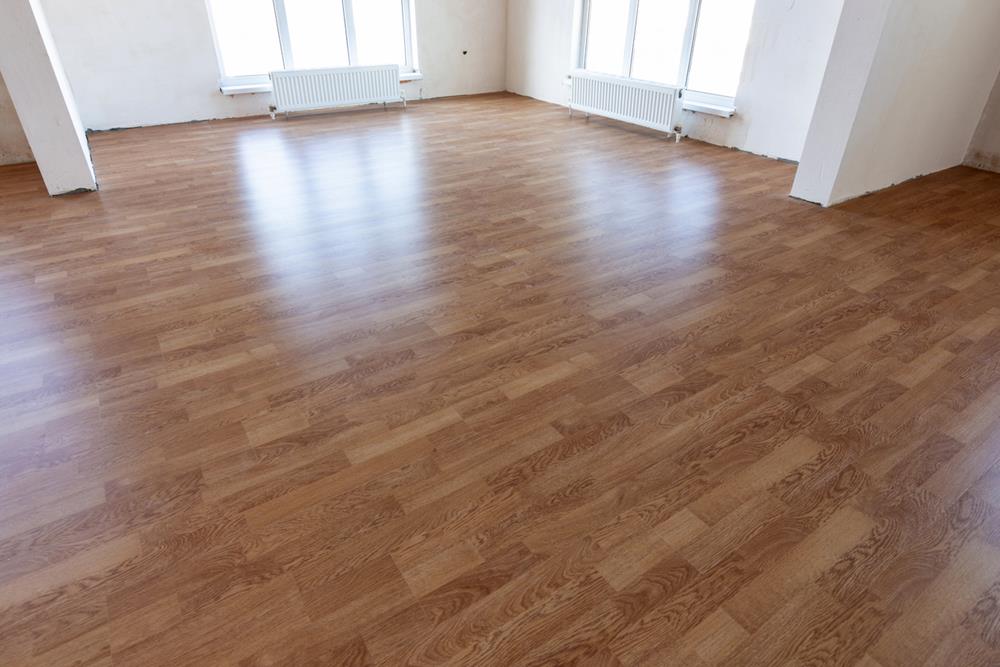
Laminate flooring offers a budget-friendly alternative for homeowners seeking attractive and durable options. This versatile material mimics the look of wood or stone at a fraction of the cost. Laminate flooring prices typically range from $2 to $3 per square foot, making it accessible for various budgets.
While not waterproof, laminate stands up well to stains and daily wear. It can be enhanced with underlayment for improved comfort and noise reduction. When comparing flooring types, consider factors like moisture exposure, foot traffic, and desired aesthetics to find the best fit for each room in your home.
Plush and Comfortable Floor Coverings
Soft floor coverings remain a top pick for many homeowners. These cozy options create a welcoming feel in any room. They come in many styles, colors, and textures to fit different tastes.
Key benefits of soft flooring:
- Comfort underfoot
- Warmth in cold weather
- Noise reduction
- Wide range of design choices
Many people choose warmer tones for their floors. Beige is a popular neutral that works well in many spaces. Earth tones and soft grays are also common picks.
Texture adds visual interest to floors. Some options include:
- Plush pile
- Loop pile
- Cut and loop
These floor coverings work in bedrooms, living rooms, and family spaces. They make a room feel cozier and more inviting. The soft surface is great for homes with young children or older adults.
Green Flooring Choices for Eco-Conscious Homes
Eco-friendly flooring options are gaining popularity among homeowners who want to combine style with environmental care. Cork and bamboo are top picks for those seeking sustainable materials. These natural options grow quickly and can be harvested without harming the plants.
Another great choice is responsibly sourced hardwood. Look for labels like “Responsible Wood Certified” or “PEFC-certified” when shopping. These labels show the wood comes from well-managed forests. Oak and maple are good picks as they grow faster than some other trees.
Hardwood floors last a long time and can handle heavy use. This durability means they need to be replaced less often, which is good for the planet. Many people also love how hardwood looks in their homes.
Choosing green flooring isn’t just a passing fad. It’s a way to create a beautiful home while caring for the earth. Hardwood, cork, and bamboo all offer this perfect mix of style and sustainability.
Getting Expert Advice on Your Flooring Options
When picking new floors, it’s smart to talk to experts. Local flooring stores have staff who know a lot about different options. They can help you find floors that look good and work well in your home. These pros can tell you about how each type of flooring holds up to foot traffic. They also know which floors are practical for different rooms. Talking to them can make your choice easier and help you get floors you’ll love.
Conclusion
Choosing the right flooring for your new home is more than just a design decision—it’s about finding the perfect balance between style, functionality, and durability. Each flooring option brings its own set of benefits, from the warmth and comfort of plush carpets to the water resistance of tile and vinyl. As you explore your options, consider the unique demands of each room and how your choice will complement your lifestyle.