

Many people are concerned about energy use in their homes. They want to save money and waste less power. Knowing which appliances use the most energy can help with this goal.
The top energy users in U.S. homes include many common household appliances. Things like refrigerators, dryers, and TVs all play a part. By knowing which items use more power, people can make smart choices. They might buy energy-efficient appliances or change how they use existing ones. This can lead to lower energy costs and less waste.
| Appliance / System | Approx. % of Home Energy Use | Efficiency Tip |
|---|---|---|
| Space Heating | 42% | Seal leaks, upgrade insulation, tune furnace annually |
| Water Heating | 18% | Install tankless or solar water heater; insulate tank and pipes |
| Space Cooling | 6% | Use programmable thermostat; seal and insulate ductwork |
| Refrigeration | 5% | Choose ENERGY STAR models; clean coils and keep doors closed |
| Clothes Dryer | 4% | Air‐dry when possible; use moisture sensors and clean lint filter |
| Lighting | 6% | Switch to LED bulbs; install occupancy sensors and timers |
| Electronics & Entertainment | 12% | Use smart power strips; fully power off devices when idle |
| Cooking Appliances | 2% | Use microwaves or slow cookers for small meals; match pot size to burner |
| Computers & Office Equipment | 1% | Enable sleep/hibernate modes; unplug chargers when not in use |
| Auxiliary Heating/Cooling Components | 1% | Install high‐efficiency blower motors and circulation pumps |
Heat and Energy Use in the Home
Heating systems consume the largest portion of energy in residential buildings, making up 31.3% of total household energy use. To reduce energy consumption, homeowners can start by getting an energy audit to identify areas of heat loss. This assessment helps pinpoint specific parts of the house that need improvement for better heating efficiency.
Insulation plays a key role in keeping heat inside. Two common types of insulation are:
- Loose-fill: Easy to install in existing homes
- Spray foam: Ideal for new construction
Proper insulation can greatly cut down on wasted energy and lower heating costs. Homeowners should focus on sealing gaps and improving insulation to maximize their heating system’s performance.
Hot Water Systems
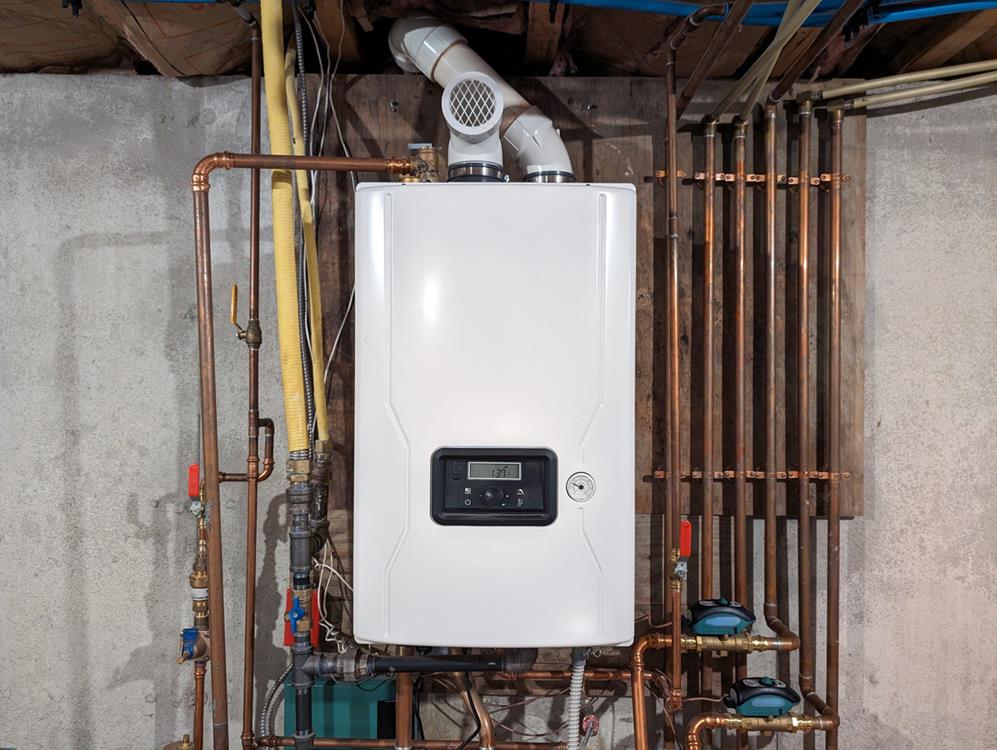
Water heaters use a lot of energy in homes. They rank second in energy use, taking up 13.6% of a home’s total energy. People need hot water all year, so finding ways to cut energy use is key.
One option is a tankless water heater. These only heat water when needed, not all day long. This can save energy over time. Another choice is a solar water heater. These use the sun’s energy to heat water. The cost ranges from $2,800 to $9,800, based on the type you pick.
Both options can help lower energy use in homes. When choosing a new water heater, think about how much energy it will use and how well it fits your needs.
Cooling Systems
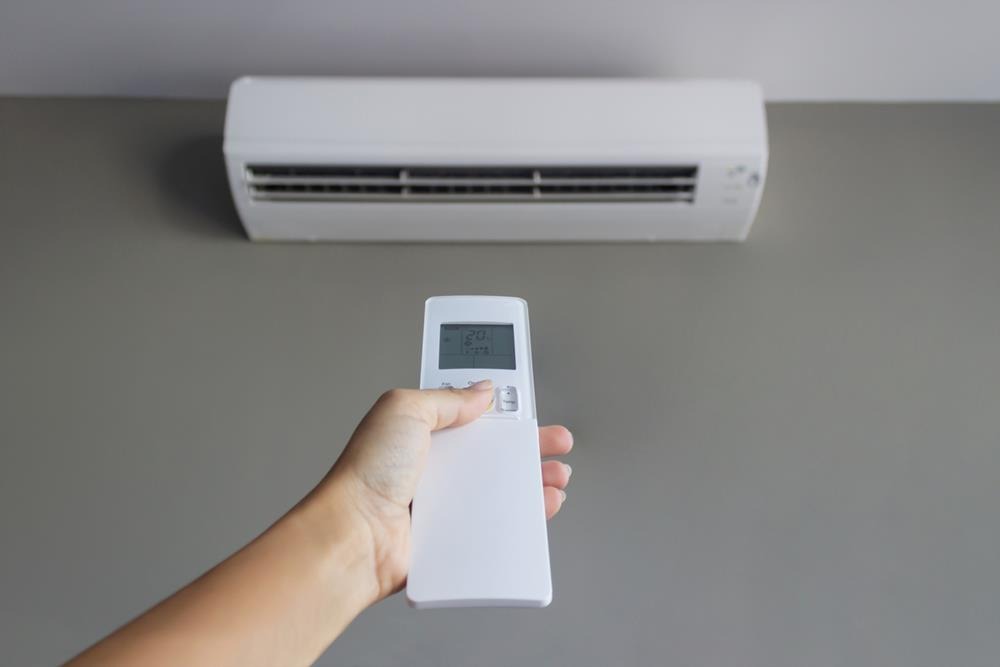
Air conditioning units and heat pumps play a big role in home energy use. They make up about 11% of total energy consumption. This puts them third on the list of top energy users in homes.
There are ways to cut down on cooling costs:
- Do an energy checkof your home
- Add insulationto walls and attics
- Seal gaps around windows and doors
- Replace old units with new, high-efficiency models
New cooling systems can be up to 98% efficient. This means they waste very little energy. Upgrading to a modern air conditioner or heat pump can lead to big savings. It’s also important to keep cool air inside. Good insulation and sealing help with this. They stop cold air from leaking out and hot air from getting in. This makes your cooling system’s job easier.
Refrigerators and Energy Usage
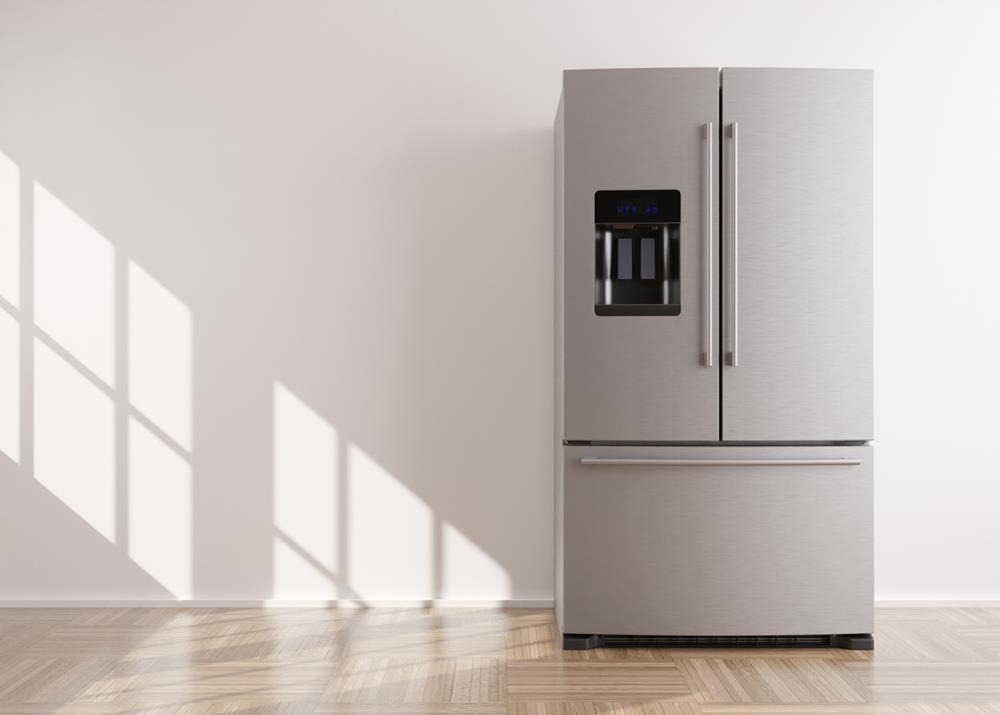
Refrigerators play a big role in home energy use. They eat up about 4% of all the power used in a house. New fridges are much better at saving power. Smart fridges can even tell you if something’s wrong. When buying a new fridge, look for ones with Energy Star ratings. These use less power and help cut your bills.
Drying Clothes Efficiently
Clothes dryers use a significant amount of energy in homes. Newer models with energy-efficient ratings can help reduce power consumption. To save even more energy, consider air-drying clothes when the weather permits. This simple step cuts electricity use and extends the life of garments.
Pairing an efficient dryer with smart usage habits makes a real difference in household energy costs over time.
Lighting Energy Use
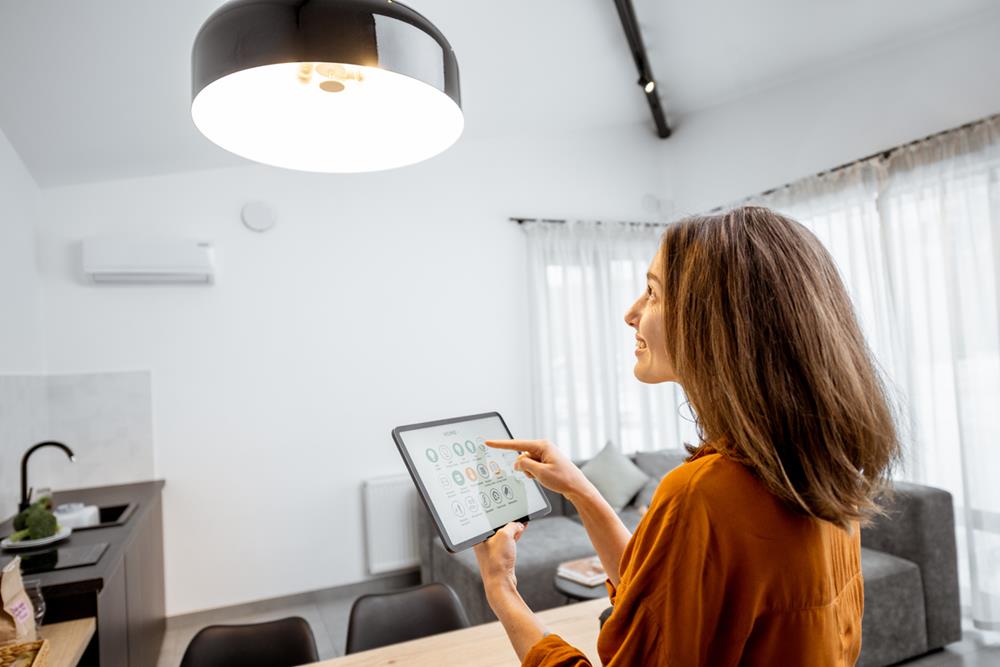
Lighting takes up a small but notable portion of home energy use. Smart lighting systems can help reduce this consumption. These systems detect when people leave a room and turn off lights automatically. Combining energy-saving efforts for lighting with other appliances can lead to bigger overall savings on electricity bills. Switching to LED bulbs is another easy way to cut lighting energy use.
Entertainment Systems and Energy Use
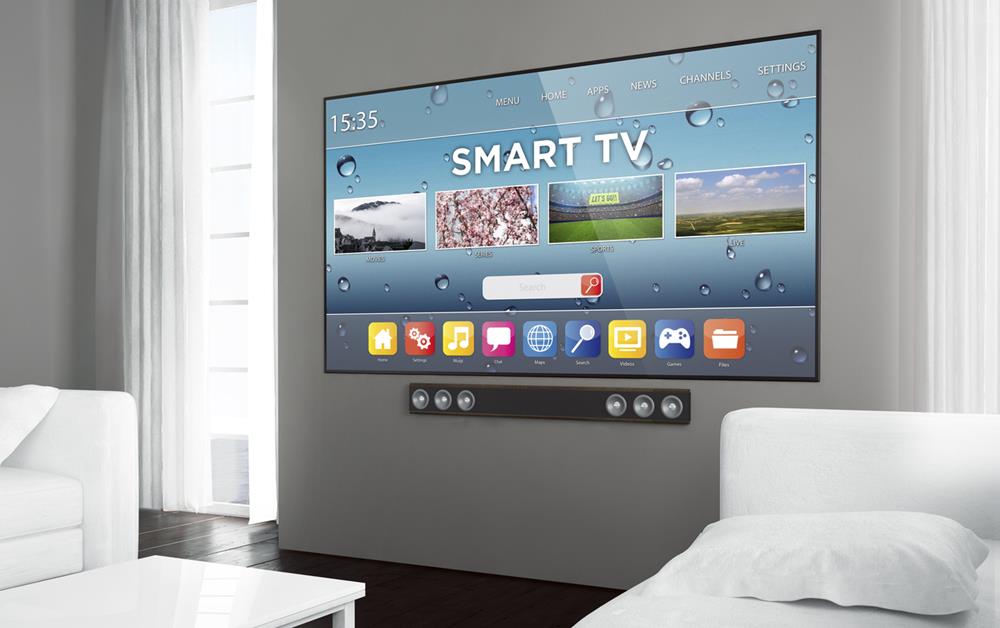
TVs, game consoles, and other entertainment devices use 2.8% of a home’s energy. Smart plugs can help cut this down. They turn off power at night and track energy use. This lets you control devices better. Smart plugs work well for TVs and game systems that use power even when off.
Kitchen Cooking Tools
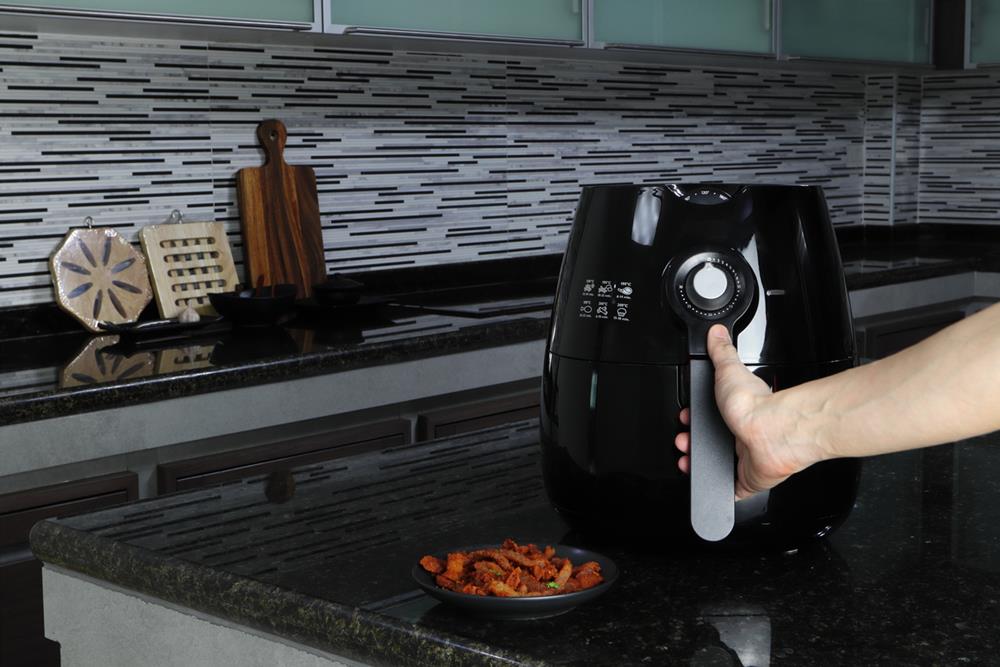
Cooking gear makes up a small part of home energy use. Smart choices can cut this down even more. Pick the right size pots for your stove. Use the best tool for each job. Keep your gear clean. These simple steps help save power in the kitchen. Air fryers, microwaves, and toasters often use less energy than big ovens for small jobs.
Desktop and Laptop Energy Use
Computers account for a small but notable portion of home energy consumption. Desktop and laptop devices typically use about 1% of household electricity. To reduce this, turn off computers completely when not in use, especially overnight.
When shopping for a new computer, look for energy-efficient models. These can help lower electricity costs over time. Some key features to consider:
- Energy Star certification
- Power-saving modes
- Efficient processors
Heating System Auxiliary Components
Furnace fans and boiler circulation pumps play a crucial role in home heating systems. These components use energy to distribute heat throughout a house. They add about 1.1% to a home’s total energy use.
How to Cut Energy Costs?
To cut energy costs, homeowners can consider these options:
- Install a heat pump
- Very energy-efficient
- Works best in mild climates
- Choose high-efficiency furnaces and boilers
- Better for colder areas
- Use less energy than standard models
Other home devices also use energy. When added together, they make up 26.2% of home energy use. These include:
- Heating elements
- Gas and propane lights
- Electronic devices
- Pool and spa heaters
- Motors
- Outdoor grills
- Backup generators
To save energy, focus on both major appliances and smaller devices. This can help lower bills and reduce environmental impact.
Energy-saving tips:
- Use smart power strips
- Turn off devices when not in use
- Choose energy-efficient models
- Maintain equipment regularly
By knowing which items use the most power, homeowners can make smart choices. This helps them save money and energy in the long run.
Heating, cooling, and water heating systems account for 70% of the average home’s energy use. Tackling these areas first can lead to big savings.
Remember, small changes add up. Even minor tweaks to how you use appliances can make a difference over time.
Conclusion
Understanding which home appliances consume the most energy is crucial for anyone looking to save on utility bills and reduce their environmental footprint. From heating systems and water heaters to refrigerators and entertainment devices, these energy-hungry appliances play a significant role in overall household energy consumption. By focusing on energy-efficient upgrades, smart usage habits, and regular maintenance, homeowners can make meaningful changes that lead to significant savings.