
Across the United States, governors’ mansions represent a blend of political function and cultural heritage. These residences are more than just homes—they serve as venues for official events, historical preservation, and public engagement. Their sizes and styles vary dramatically, reflecting the history, geography, and resources of each state.
From grand Southern estates with Greek Revival porticos to modest Midwestern homes and Victorian showpieces, each mansion tells a unique story about the region it represents. Some function as working museums, while others are private residences rarely seen by the public. Together, they illustrate how architecture, politics, and state identity intersect in the executive branch.
Key Takeaways
- Virginia’s Executive Mansion, built in 1813, is the oldest continuously occupied governor’s residence in the U.S.
- Georgia’s Governor’s Mansion is one of the largest in active use, at approximately 24,000 square feet.
- Governor’s mansions reflect diverse architectural styles, from Georgian and Greek Revival to Victorian and Italianate.
- Several states, including Arizona and Massachusetts, maintain no official gubernatorial residence.
- These homes serve as historical, cultural, and ceremonial symbols, often open to the public for tours and events.
America’s Largest Executive Residences: Square Footage Rankings
Governor’s mansions vary widely in size, with some states maintaining grand properties while others have more modest homes.
Georgia’s Governor’s Mansion in Atlanta is one of the largest still in use, encompassing about 24,000 square feet across three levels and 30 rooms. By contrast, Michigan’s residence measures 8,700 square feet, and many other states fall between 8,000 and 20,000 square feet.
Virginia’s Executive Mansion, while smaller than some modern residences, is rich in history and symbolism. It represents a long tradition of executive housing, reflecting the early 19th-century values of functionality over size. No U.S. gubernatorial residence approaches the scale of European palaces such as Buckingham Palace, emphasizing their domestic and ceremonial roles rather than international grandeur.
Architectural Masterpieces: From Victorian to Modern Design
Governor’s mansions showcase America’s architectural diversity, tracing trends across centuries and regions.
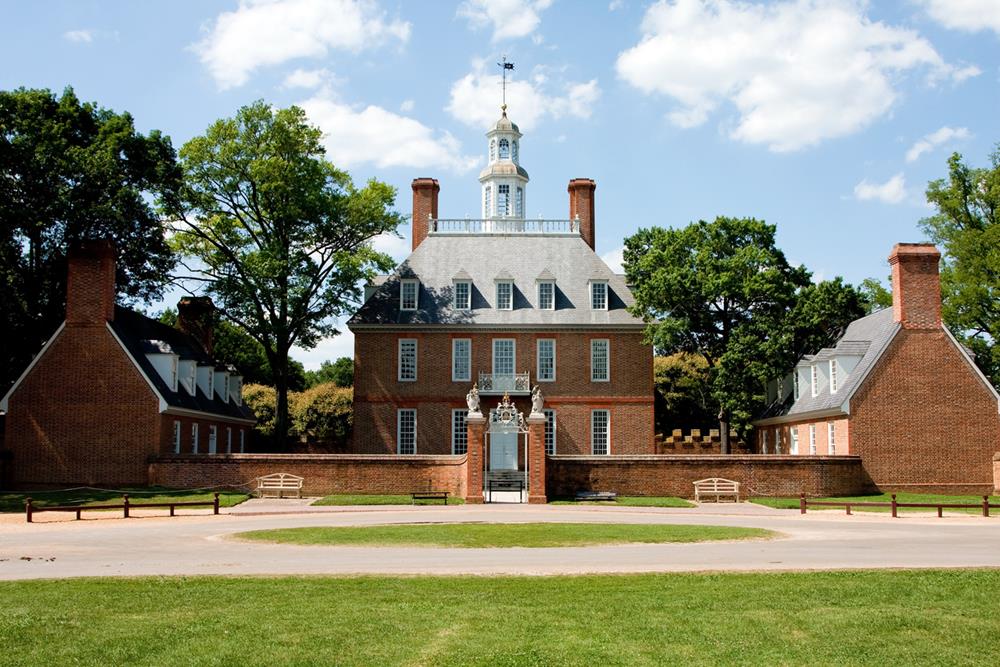
- Early 19th-century examples, like Virginia (Federal style) and Mississippi (Greek Revival, 1842), reflect the classical ideals of the young nation.
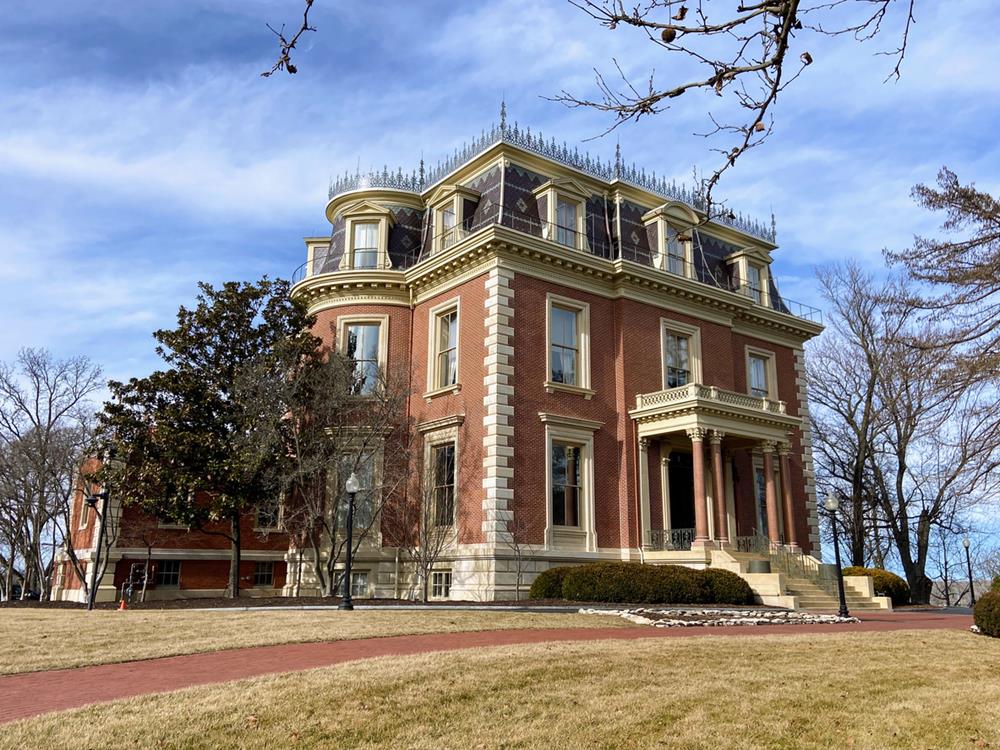
- Victorian and Queen Anne homes, such as Iowa’s Terrace Hill (Second Empire) and Montana’s Executive Residence, embody the ornate tastes of the Gilded Age, with mansard roofs, turrets, and detailed woodwork.
- 20th-century residences often embrace Colonial Revival or modern simplicity, like Florida’s 1956 mansion, which blends traditional Southern design with functional modern features.
Preservation efforts ensure these properties retain their historic integrity, from elliptical staircases and hand-carved woodwork to period-appropriate furnishings. Many are listed on the National Register of Historic Places, emphasizing their architectural and historical importance.
Historical Significance and Presidential Connections
Many governors’ mansions are deeply intertwined with American political history.
Virginia’s Executive Mansion has housed governors since 1813, making it the oldest continuously occupied gubernatorial home in the U.S. Texas’s mansion, built in 1856, holds the title of oldest west of the Mississippi, symbolizing the state’s frontier legacy.
While primarily state executive homes, many have hosted U.S. presidents and dignitaries. For example:
- Texas was redecorated for President McKinley’s 1901 visit.
- Georgia and Maryland have welcomed heads of state for ceremonial events.
These interactions highlight how governor’s residences serve as bridges between state and national political life, often doubling as historical and ceremonial landmarks.
Exploring the Grounds: Gardens and Outdoor Features
Beyond their walls, governors’ mansions often feature gardens that reflect local history and ecology.
- Minnesota maintains formal gardens with reflecting pools and pergolas, combining ceremonial beauty with private relaxation spaces.
- Pennsylvania’s residence incorporates native plants in “Penn’s Woods,” connecting visitors to the state’s natural heritage.
- Virginia’s Valentine-Jackson Memorial Garden honors the contributions of enslaved African Americans, integrating commemoration into the landscape.
These outdoor spaces are often open for public tours, serving as educational and cultural extensions of the residences. They demonstrate how landscaping and memory intersect in state heritage preservation.
Lavish Interiors: Unique Amenities and Luxury Details
View this post on Instagram
While the gardens and facades create the public image of a governor’s mansion, it is the interiors that truly reveal each state’s character, history, and sense of pride. Within these homes, formal rooms, curated art, and preserved artifacts provide a window into both the private lives of governors and the public story of the state.
Georgia’s Governor’s Mansion features museum-quality fine art collections that rotate with each administration, carefully curated to showcase the state’s heritage. Maryland’s Government House blends Georgian architectural elegance with modern comfort, with historic furnishings that have welcomed dignitaries ranging from Mark Twain to Queen Elizabeth II.
Florida’s 1956 mansion embodies Southern hospitality, balancing understated elegance with spaces designed for public receptions. Alabama’s neoclassical residence offers a distinctive flourish with its swimming pool shaped like the state, a playful yet symbolic feature. Even smaller executive homes, like Arizona’s former Governor Moeur House in Tempe, have demonstrated refined taste through well-appointed rooms, rich textiles, and thoughtful period details.
Though their sizes and styles vary dramatically, the interiors of these residences consistently reflect the values, history, and cultural identity of the states they represent. From formal dining rooms lined with portraits to libraries preserving historical documents, these spaces serve as living museums as much as private homes.
States That Break Tradition: Alternatives to Official Mansions
Not every state maintains an official gubernatorial residence. Arizona, Massachusetts, Rhode Island, Vermont, and Idaho have chosen to forgo traditional mansions, reflecting modern governance priorities.
In these states:
- Governors may live in private homes, highlighting a practical and cost-conscious approach.
- State functions are often held in public venues, enhancing accessibility and relatability to constituents.
This approach prioritizes fiscal savings, sustainability, and flexibility, demonstrating that executive leadership does not require architectural grandeur.
The Cultural Symbolism of Gubernatorial Homes
View this post on Instagram
Governor’s mansions serve as living symbols of state identity, merging architectural legacy with political tradition.
These residences reflect regional pride:
- Virginia’s Federal architecture underscores its founding-era heritage.
- Iowa’s Terrace Hill showcases Victorian opulence and post-Civil War prosperity.
- Florida’s mid-century design reflects modern Southern hospitality.
Many now function as living museums, preserving artwork, furniture, and historic artifacts that narrate each state’s political evolution and cultural values. Public tours and events transform these spaces into educational tools that connect citizens with governance and heritage.
A Legacy Beyond Walls
While governors’ mansions differ in size, style, and purpose, they share a role as guardians of history and symbols of statehood. These residences offer glimpses into political life, celebrate regional identity, and anchor state traditions in architecture and landscape.
From Virginia’s 19th-century elegance to modern functional homes and states that embrace modest practicality, gubernatorial residences continue to evolve, carrying forward a legacy that bridges past and present.