

Governors’ mansions across the United States are more than ceremonial homes—they are repositories of state heritage. Within their walls, collections of furniture, artwork, silver, and historical documents tell the story of each state’s political and cultural journey. These artifacts serve both a symbolic and educational purpose, linking current administrations with generations past.
Visitors touring these residences often encounter personal effects of past governors, donated family heirlooms, and artifacts reflecting state achievements and traditions. Managed with the assistance of historical societies and preservation boards, these collections are a tangible bridge between the private lives of governors and the public narrative of state history.
Key Takeaways
- U.S. governors’ mansions preserve artifacts that reflect state history, culture, and governance.
- Collections often include period furniture, silver, portraits, and historic documents.
- Texas and South Carolina are notable for their rich gubernatorial artifact displays.
- Many mansions function as living museums, offering public tours and educational programs.
- Preservation efforts ensure these collections remain accessible to future generations.
Texas’ Treasured Mementos: From Sam Houston’s Legacy to Modern Gifts
The Texas Governor’s Mansion, built in 1856, is a prime example of how an executive residence doubles as a living museum. Its curated collection reflects Texas political and cultural history, including period furnishings, portraits of governors and first ladies, and 19th-century decorative arts.
While the mansion has faced challenges, including a major restoration following a 2008 fire, its collections have been carefully preserved and cataloged. Visitors on public tours can view historic rooms featuring American-made furniture, silver items, and ceremonial pieces that tell the story of Texas leadership across centuries.
The mansion also represents how modern stewardship blends with tradition. Preservation programs ensure that every artifact, from antique furniture to framed gubernatorial portraits, remains accessible for public education while supporting the dignity of the state’s highest office.
Silver and Crystal Collections: Elegant Gubernatorial Heirlooms
One of the most recognizable categories of artifacts in governors’ mansions is ceremonial tableware, including silver and crystal collections. These pieces reflect state hospitality traditions and historical diplomacy, often tied to formal events and receptions hosted by first families.
South Carolina’s Governor’s Mansion features Zuber & Cie wallpaper and historically inspired dining rooms where antique silver and glassware illustrate 19th-century entertaining customs. In Georgia, Italian crystal chandeliers and polished silver settings enhance the ceremonial dining spaces used for hosting dignitaries.
While beautiful, these objects are more than decorative—they embody continuity, ceremonial function, and state identity, connecting official functions to the heritage of governance and community engagement.
Diplomatic Exchanges: How Interstate Relations Shaped Mansion Artifacts
Over the years, states have gifted governors’ mansions with ceremonial objects such as presentation silver, commemorative plaques, and art featuring regional landmarks. These exchanges often occur during major civic events, such as bicentennials, regional summits, or the dedication of military partnerships. While formal interstate gifting is less common today than in the 19th and early 20th centuries, many older items remain as reminders of historical ties between states.
By displaying these artifacts in public rooms or dedicated galleries, governors’ mansions convey their role as more than private residences. They serve as sites where symbolic gestures of cooperation—whether in the form of a handcrafted bowl, a ceremonial key, or a historic flag—become part of the visual narrative of state leadership and shared American history.
Furnishing History: Notable Furniture Gifts in Executive Residences
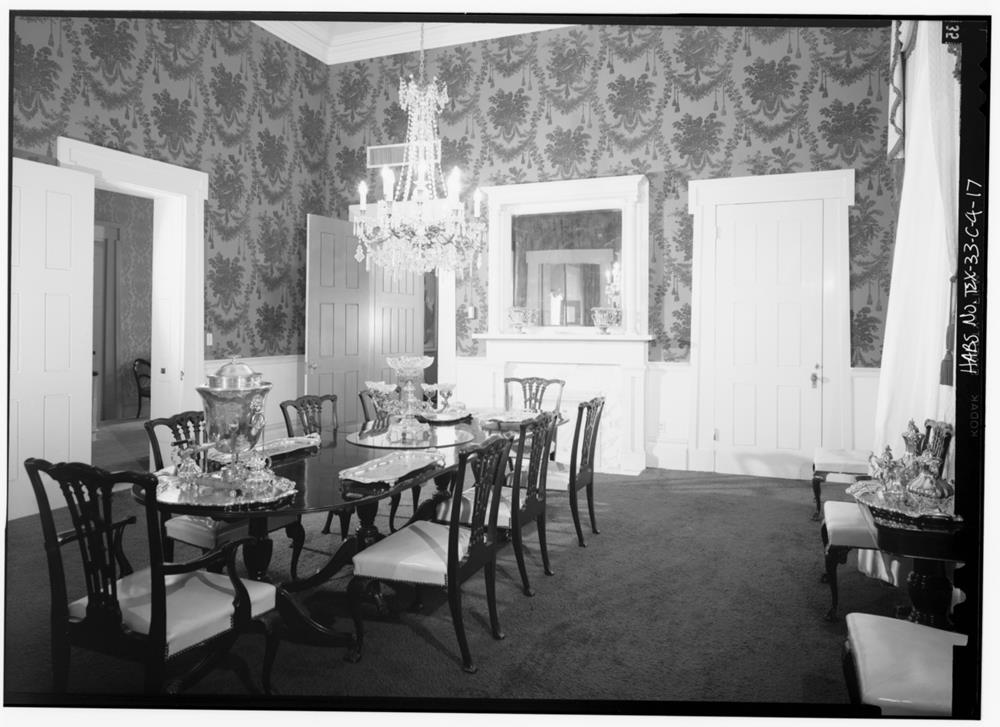
The furniture inside America’s governors’ mansions serves as more than decoration—it provides a physical link to state history and the continuity of governance. Period-appropriate tables, chairs, and sideboards often reflect the craftsmanship of their time and the ceremonial nature of the residences.
Many mansions feature antique pieces that evoke the early American and Federal styles, such as Empire tables, Hepplewhite sideboards, and intricately carved chairs. These furnishings are often paired with tall-case clocks and period lighting fixtures, helping to recreate the domestic environment of 18th- and 19th-century executive homes. In some states, these historical pieces are complemented by Zuber & Cie scenic wallpapers, such as the Palmetto Dining Room in the South Carolina Governor’s Mansion, where hand-printed landscapes illustrate American scenes in vivid detail.
While some original “governors’ chairs” and family heirlooms have been lost over time, many mansions still maintain collections of historic furniture that create a sense of living history. Visitors experience state heritage not only through portraits and documents but also by walking among the very tables, chairs, and cabinets that have served governors, guests, and dignitaries for generations.
Weaponry and Military Memorabilia in Mansion Collections
Alongside period furniture and decorative arts, many governors’ mansions preserve artifacts tied to military history and state defense. These items serve as reminders of the governor’s historic role as commander-in-chief of the state’s militia and as a reflection of local contributions to national conflicts.
Some residences display ceremonial or commemorative firearms, swords, and military insignia that once belonged to past governors or were gifted by state military organizations. For example, the Texas Governor’s Mansion is known for preserving 19th-century pistols and other artifacts linked to early statehood, while several Southern mansions feature commemorative items from the Civil War era. These pieces are typically presented in formal settings, where they contribute to the narrative of leadership and public service.
Though smaller than museum armories, these curated displays give visitors a tangible connection to the sacrifices and responsibilities that shaped the state’s history. Each artifact, whether a ceremonial saber or a commemorative musket, reflects the ongoing relationship between governance and state security.
Literary Gifts and Educational Materials Preserved in State Houses
Beyond decorative and military artifacts, governors’ mansions often house literary collections that document the political and cultural life of the state. Libraries and display cases may feature historic volumes, commemorative editions, and books authored or gifted by past governors. Some also include bound copies of state constitutions, legislative proceedings, and anniversary publications that highlight the evolution of governance.
These literary artifacts are often curated in partnership with state historical societies to preserve their educational value. In several mansions, these collections extend beyond books to include proclamations, signed documents, and commemorative pamphlets celebrating restoration projects or major civic events. Visitors can engage with these materials through guided tours or interpretive exhibits that highlight the role of literature and documentation in preserving state identity.
In many cases, these libraries function as both ceremonial and educational spaces, allowing the public to experience the intellectual and historical dimension of the state’s leadership in an intimate setting.
Artwork and Decorative Pieces Symbolizing State Heritage
View this post on Instagram
Art collections within governors’ mansions capture the identity and history of each state in a visual language. Portraits of former governors, first ladies, and significant state figures line the walls, often accompanied by historical paintings or landscapes created by regional artists.
Many mansions also feature decorative pieces that symbolize local culture and resources, from sculptures carved in native stone to handcrafted ceramics and glassware made by local artisans. These items reflect not only aesthetic values but also a commitment to supporting regional craftsmanship and preserving cultural traditions.
A notable example is the use of scenic wallpaper and handwoven textiles in Southern and Midwestern mansions, which tell stories of local history through their motifs. Collectively, these artworks and decorative objects create an immersive experience for visitors, transforming the residences into visual narratives of state pride and heritage.
Personal Effects: How Family Heirlooms Became State Treasures
Alongside official state gifts and curated historical artifacts, many governors’ mansions incorporate personal effects donated by former first families. These heirlooms, which can include photographs, travel mementos, and small furnishings, humanize the otherwise formal environment of the residences.
Such contributions often come with the expectation that the items will be maintained as part of the state’s heritage collection. They bridge the private lives of past governors with the public story of the office, allowing visitors to see the personal dimension of state leadership. For example, early 20th-century mansions like Utah’s Kearns Mansion still retain select items that belonged to the donating family, offering a tangible link to the home’s origin before its conversion to official use.
These heirlooms enhance the sense that the mansions are living museums, reflecting both the ceremonial duties of the office and the intimate narratives of the families who once walked the halls.
Ceremonial Objects: Tools of Gubernatorial Office on Display
Among the most symbolic items found in governors’ mansions are the ceremonial objects that represent the authority of the office. These may include official seals, inaugural mementos, presentation silver, and items tied to state military or civic events.
In some states, unique ceremonial objects are displayed prominently in dining rooms or entrance halls to highlight their significance. Kentucky’s Governor’s Mansion, for instance, features silver presentation pieces linked to the state’s naval history, while other mansions preserve ceremonial keys or historic inaugural gifts.
These objects are more than display pieces; they underscore the weight of gubernatorial responsibility and the continuity of the state’s civic traditions. By presenting these items in public tours, mansions provide a tangible representation of the governor’s role in state history and ceremony.
Preservation Techniques: Safeguarding Historic Gifts for Future Generations
View this post on Instagram
The artifacts housed in governors’ mansions require careful preservation to ensure that they remain intact for future generations. Most states rely on a combination of modern conservation methods and traditional care to protect delicate materials like wood, textiles, silver, and paper.
Common preservation practices include maintaining stable indoor climate conditions, using UV-filtered glass to protect light-sensitive items, and employing archival storage for rare documents. Many states also rely on digital cataloging and professional conservators to manage provenance records and guide restoration efforts.
Public access is carefully balanced with preservation needs. Guided tours, limited-touch displays, and interpretive exhibits allow citizens to engage with state history without jeopardizing the integrity of the artifacts. This dual focus on protection and accessibility ensures that these living collections continue to educate and inspire.
Living Museums of Governance
Through their curated collections of furniture, artwork, documents, and ceremonial objects, governors’ mansions function as living museums that connect the present to the past. Every silver tray, hand-carved chair, or portrait offers a window into the state’s evolution, the people who led it, and the cultural heritage it embodies.
By opening their doors for tours and maintaining their collections with care, these residences fulfill a dual role as both homes for leadership and repositories of state identity. Visitors leave with a deeper appreciation of how history, governance, and culture converge within these storied walls, ensuring that the legacy of state leadership remains both tangible and enduring.