

Building materials form the foundation of the construction industry. These materials come in many types, each with unique properties suited for different purposes. Natural materials like wood and stone have been used for centuries, while synthetic options like concrete and steel have revolutionized modern construction.
The choice of building materials plays a key role in construction projects. Architects and builders must weigh factors like cost, durability, and environmental impact when selecting materials for structures. From houses to bridges, the right materials are essential for creating safe, long-lasting buildings that meet project needs.
| Material | Description & Best Uses | Pros | Cons |
|---|---|---|---|
| Concrete | Mixture of cement, water, sand & gravel; forms foundations, slabs, columns, beams, sidewalks. | Extremely strong in compression; fire- & water-resistant; versatile molding | Brittle in tension (requires reinforcement); long cure time; heavy weight |
| Brick & CMU (Concrete Masonry Units) | Clay-fired bricks or concrete block units; used for walls, partitions, chimneys, retaining walls. | Durable; fire-resistant; good thermal mass; aesthetic variety | Labor-intensive installation; mortar joints require maintenance; limited tensile strength |
| Natural Stone | Granite, limestone, marble, slate, sandstone; applied as veneers, paving, cladding, structural blocks. | Timeless appearance; ultra-durable; low maintenance | High cost; heavy & difficult to handle; variable porosity (needs sealing) |
| Structural Steel | Rolled I-beams, channels, angles, plates for frames, columns, trusses, bridges. | High strength-to-weight ratio; ductile; fast erection; recyclable | Corrosion risk (requires coating); conductive of heat; expensive fireproofing |
| Aluminum | Extruded or sheet form for window frames, cladding panels, roofing, railings. | Lightweight; corrosion-resistant; good in cold climates | Lower strength than steel; higher material cost; dent-prone |
| Copper | Used in roofing, gutters, downspouts, plumbing piping, electrical wiring. | Excellent corrosion resistance; antimicrobial; long lifespan | High cost; theft target; patinas over time |
| Solid Wood | Softwoods (pine, fir) for framing; hardwoods (oak, maple) for flooring, trim, millwork. | Renewable; easy to work; good insulation properties | Prone to rot, insects, fire; moisture-sensitive; variable quality |
| Engineered Wood | Plywood, OSB, MDF, particleboard; used for sheathing, subfloors, cabinetry, furniture cores. | Dimensionally stable; uses waste wood; consistent quality | Can emit formaldehyde; limited screw-holding; not fully waterproof |
| Gypsum Board (Drywall) | Sheets of gypsum plaster between paper layers; used for interior walls & ceilings. | Fire-resistant; smooth finish; easy to install & repair | Susceptible to moisture damage; brittle edges; limited impact resistance |
| Insulation Materials | Fiberglass, mineral wool, foam boards, cellulose; installed in walls, roofs, floors. | Reduces heat transfer; improves energy efficiency; sound absorption | Fibers can irritate; foam can off-gas VOCs; performance varies by installation quality |
| Ceramics | Tiles, bricks, fixtures from clay or porcelain; used for floors, walls, roofs, baths. | Hard, wear-resistant; waterproof; wide design options | Brittle; cold to touch; skilled installation required |
| Glass | Float, tempered, laminated, insulated units; used in windows, curtain walls, skylights, partitions. | Natural light; visual connectivity; thermal & sound insulation (with specialty glazing) | Fragile; privacy/safety concerns; can be energy-inefficient without coatings |
| Plastics & Polymers | PVC, polyethylene, polycarbonate, acrylic; used in pipes, windows, roofing membranes, finishes. | Lightweight; water-resistant; moldable into complex shapes | UV degradation; fire risk; environmental disposal issues |
| Asphalt | Shingles, roll roofing, pavement; bitumen binder with mineral fillers. | Low cost; easy install; waterproof | Shorter lifespan; prone to UV damage; non-renewable |
| Fiber Cement | Portland cement + cellulose fibers; used for siding, soffits, trim. | Rot- & insect-resistant; fireproof; wood-like appearance | Heavy; requires special cutting tools; chalking over time |
| Composite Materials | FRP panels, fiberglass-reinforced plastics, wood-plastic composites; used in cladding, decking, structural elements. | High strength-to-weight; corrosion-resistant; design flexibility | Higher cost; limited recycling; potential UV degradation |
| Fabric Membranes | ETFE, PTFE, PVC-coated polyester; used for tensile structures, canopies, temporary shelters. | Lightweight; rapid installation; large clear spans | Poor thermal insulation; shorter lifespan; specialized replacement |
| Building Paper & House Wrap | Tar paper, asphalt felt, synthetic wraps; used as weather-resistant barriers behind cladding. | Prevents water intrusion; breathable; easy to install | Temporary until cladding; can tear if mishandled; UV-sensitive |
Concrete: A Versatile Building Material
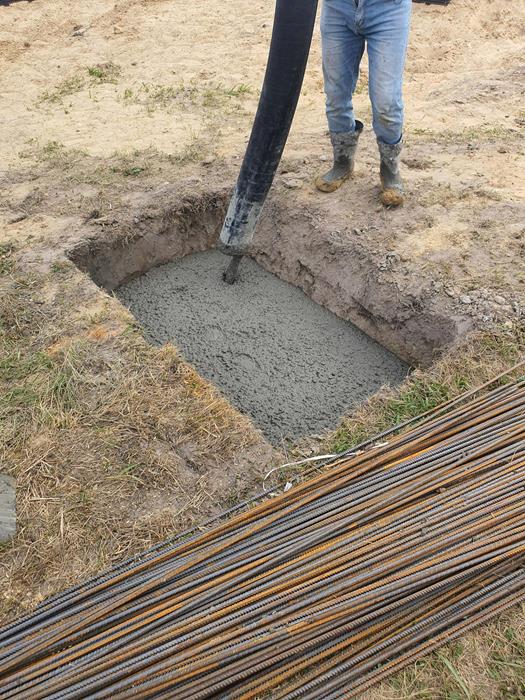
Concrete is a key material in construction. It mixes fine and coarse bits like sand and gravel with cement and water. This blend hardens into a strong substance used in many building projects.
The drying process for concrete takes time. While it may feel solid after a day or two, it needs about a month to reach its full strength. This slow process helps make concrete very tough and long-lasting.
Concrete is great for house foundations. It can hold up heavy loads and stand up to harsh weather. For bigger projects, builders often add steel rods to make it even stronger. This mix of concrete and steel is called reinforced concrete. It’s used to build big things like bridges and stadiums.
Here are some reasons why builders like using concrete:
- Resists fire and dampness
- Needs little upkeep
- Costs less than steel for big projects
- Can be shaped into many forms
Concrete can be poured into molds to make almost any shape needed for a building. This makes it very useful for all kinds of projects. Its strength and low cost make it a top choice for builders around the world.
The main parts of concrete are:
| Part | Role |
|---|---|
| Cement | Acts as a binder |
| Sand | Fine aggregate |
| Gravel | Coarse aggregate |
| Water | Helps the mix set |
Concrete keeps getting better as engineers find new ways to make it stronger and more useful. It’s a basic but important part of how we build our world.
Building with Blocks: The Art of Masonry
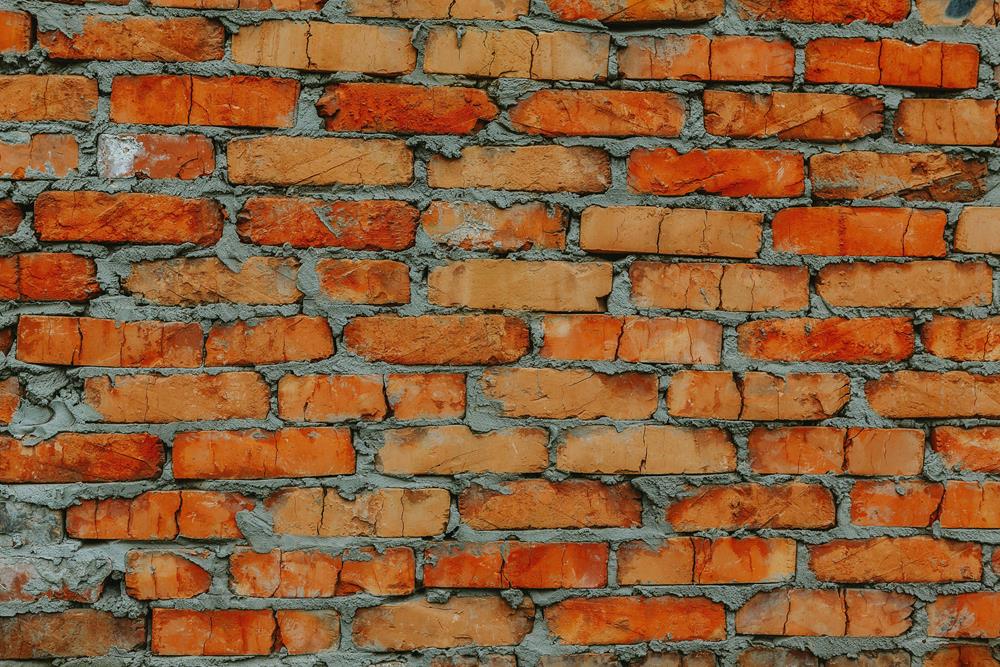
Masonry is a construction method that uses small units joined by mortar to create sturdy structures. Bricks are the most common building blocks, but masonry also includes stone, concrete, and even glass units. This technique has been used for centuries to build walls, homes, and large buildings.
Brick masonry is popular because bricks are strong and fire-resistant. They can hold up heavy loads, making them great for load-bearing walls. However, bricks can crack if dropped or hit hard. To make brick buildings safer in earthquakes, builders now add steel supports.
Here are some key features of masonry:
- Durable and long-lasting • Good at blocking heat and sound • Can be decorative as well as functional • Needs little maintenance
Masonry isn’t just for walls. It’s used in many parts of buildings:
- Foundations
- Fireplaces and chimneys
- Decorative finishes
- Retaining walls
While brick was the top choice from the 1700s to 1900s, modern masonry uses a mix of materials. Concrete blocks are now common, too. They’re cheaper and easier to work with than bricks.
Masonry remains a go-to option for builders. It offers a balance of strength, cost, and looks that few other methods can match. As building techniques advance, masonry adapts, ensuring its place in construction for years to come.
Building with Stone
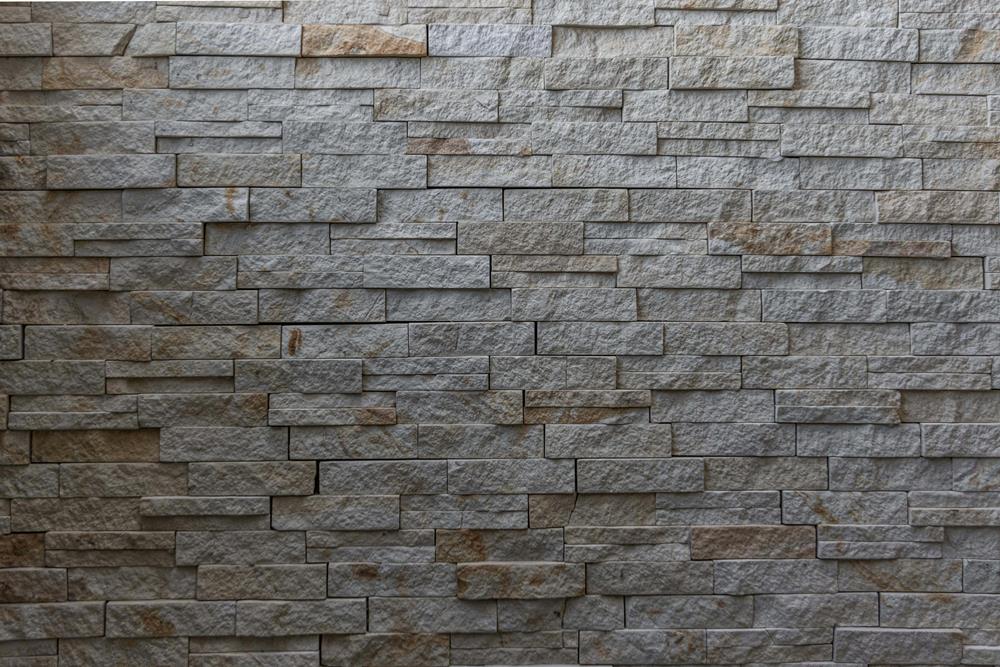
Stone remains a popular construction material due to its durability and strength. This natural resource has been used for thousands of years to create long-lasting structures. Different types of stone offer unique qualities for building projects.
Granite is a hard, dense rock often used for countertops and flooring. Its resistance to wear makes it ideal for high-traffic areas. Marble, known for its beauty, is softer than granite but prized for decorative elements and sculptures.
Limestone is a sedimentary rock that’s easy to cut and shape. It’s commonly used for building exteriors and interior details. Slate, a fine-grained rock, splits easily into thin sheets. This makes it perfect for roofing tiles and flooring.
Sandstone comes in a range of colors and is often used for walls and paving. Its porous nature allows for good drainage in outdoor applications.
While stone offers many benefits, it also has some drawbacks:
- Heavy and difficult to transport • Poor insulator in cold climates • Can be expensive, especially for high-end varieties
Despite these challenges, stone remains a go-to material for many construction projects. Its versatility allows for use in:
- Building foundations
- Retaining walls
- Bridge supports
- Decorative facades
- Interior design elements
Stone’s enduring popularity in construction is a testament to its strength and timeless appeal.
Steel in Construction
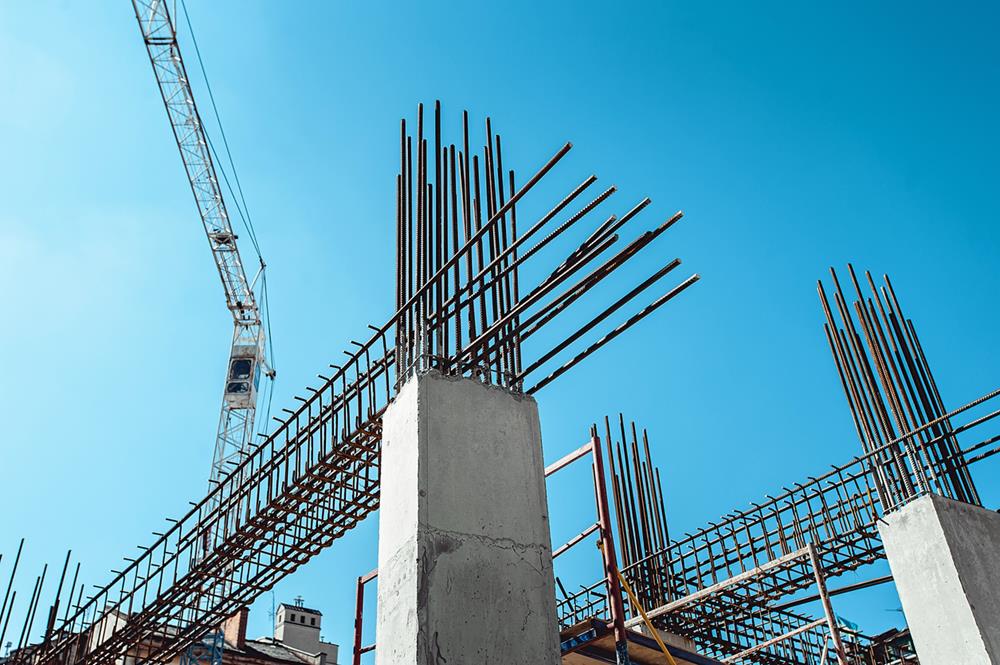
Steel plays a key role in modern building. This iron-based alloy has unique traits that make it a top pick for many projects. Steel’s mix of strength and light weight lets builders create tall structures and big industrial sites.
The addition of carbon and other elements to iron creates steel. This process boosts its strength and makes it more resistant to wear. Steel is easy to shape and keeps its strength even when bent.
Steel has many good points:
- Quick to set up in any setting
- Resists rust and decay (stainless steel)
- Can stand up to fire (varies by type)
But steel has some weak spots too. It costs more than some other metals. It can break down in very high heat. If not put in right, it may rust.
Despite these issues, steel is used in:
- Tall buildings
- Bridges
- Inside parts like stairs and rails
- Pipes for water and gas
- Support for other building parts
Steel is also found in common building items:
- Nails
- Screws
- Bolts
With its wide range of uses, steel remains a top choice for big building jobs. Its mix of strength and ease of use makes it a go-to material in construction.
Aluminum in Construction

Aluminum alloys have gained prominence in modern building practices. These alloys, made by mixing aluminum with copper, magnesium, or zinc, offer strength and versatility. Builders favor aluminum for its lightweight and adaptability in various projects.
Common uses of aluminum in construction include:
- Window frames and exterior panels
- Roofing materials
- Stair components and railings
- Industrial facility elements
One key advantage of aluminum is its ease of assembly and transport. Structures using this metal can be put together or taken apart quickly. This feature makes aluminum ideal for temporary or movable buildings.
Aluminum shows excellent performance in cold climates. It maintains its strength at low temperatures, often outperforming steel in these conditions. The metal also stands up well to water, rust, and sun damage. This durability means aluminum structures can last 25-30 years with little upkeep.
Many industrial sites choose aluminum for its protective qualities. Power plants, paper mills, and oil refineries use it to guard against corrosion. The metal’s natural resistance to harmful elements makes it a smart choice in these settings.
Builders appreciate aluminum’s wide availability. Its abundance as a resource makes it a go-to option for many construction needs. From small home projects to large commercial builds, aluminum finds its place in modern architecture.
Copper in Construction

Copper has been a go-to material in building for ages. This reddish-brown metal stands out for its many useful traits. It fights off rust, lasts a long time, and doesn’t weigh much. When exposed to air, it can turn a pretty blue-green color.
Builders love copper for many reasons. It’s soft enough to shape easily but strong enough to last. It also doesn’t expand much when heated. These qualities make it perfect for many parts of a building.
Copper plays a big role in how water moves through a building. It’s used for:
- Pipes that bring clean water to sinks and toilets
- Systems that take away wastewater
- Heating systems that keep rooms warm
But copper’s uses don’t stop there. It’s also great for:
- Roofs that keep rain out
- Walls that protect buildings from weather
- Wires that carry electricity safely
Copper is so useful that almost half of all copper made in the US goes into buildings. Workers join copper parts by soldering or welding them together.
With all these great qualities, copper will likely stay a top choice for builders for years to come.
Wood in Construction
Wood stands as a time-tested building material, rivaling stone in its long history of use. Its lightweight nature, adaptability, and cost-effectiveness make it a go-to choice for builders across many climates.
Different tree species offer unique qualities. Teak shines in durability and fire resistance, making it ideal for homes, train cars, and ships. Spruce excels in salt water, perfect for underwater structures.
Builders pick wood types based on project needs and local conditions. This natural resource remains popular due to its eco-friendly profile and wide availability. Its ability to work well with other materials like steel or aluminum adds to its appeal.
Wood types for construction:
- Teak: Fire-resistant, durable
- Spruce: Good in saltwater
- Pine: Common in framing
- Oak: Strong, used in flooring
- Cedar: Naturally rot-resistant
Benefits of wood:
- Lightweight
- Easy to modify
- Cost-effective
- Sustainable
- Versatile
Wood’s strengths make it a top pick for many building projects. From homes to bridges, its uses span far and wide in the construction world.
Ceramic Materials in Construction
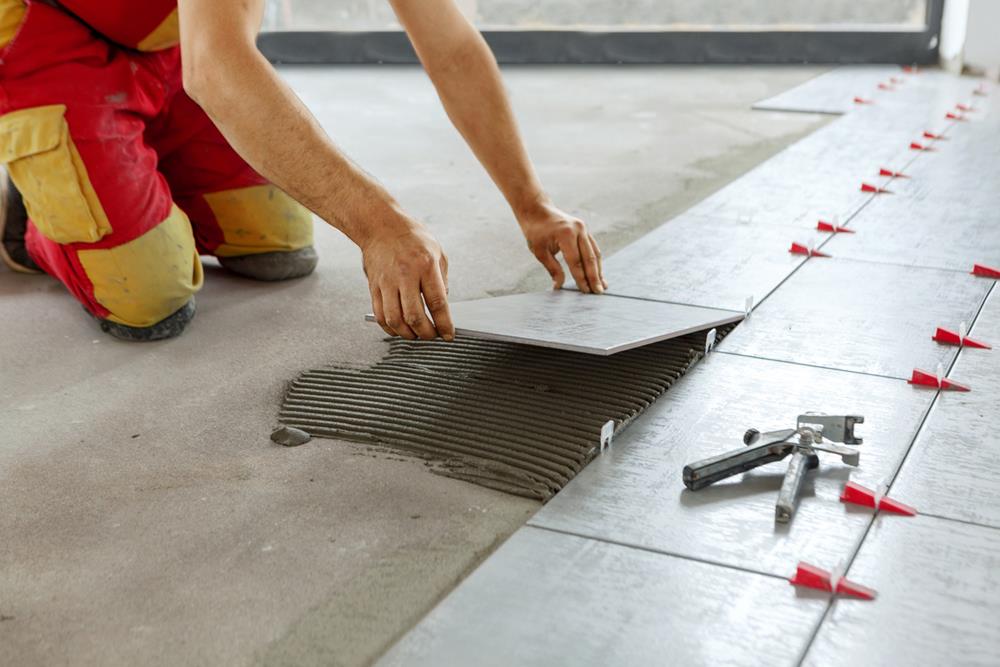
Ceramics play a vital role in modern building. These materials come from minerals like silica sand, heated to create durable products. Ceramic items resist heat, scratches, and chemical reactions. They also insulate well and last a long time without much upkeep.
Tiles are a common ceramic product in construction. Builders use them for floors, walls, and outdoor spaces like patios. Ceramic tiles add style and protection to many areas of a home.
Other ceramic fixtures include:
- Sinks
- Bathtubs
• Countertops
Ceramic shingles work well on roofs in warm, rainy places. They keep homes cool and dry.
While tough, ceramics can break if dropped or exposed to sudden temperature changes. Still, their strength makes them useful for many building needs. Paint often contains ceramic particles too. This helps make walls more durable and easier to clean.
Ceramic products blend function and design in construction. From bathroom fixtures to roof tiles, these materials enhance buildings in many ways.
Glass in Construction
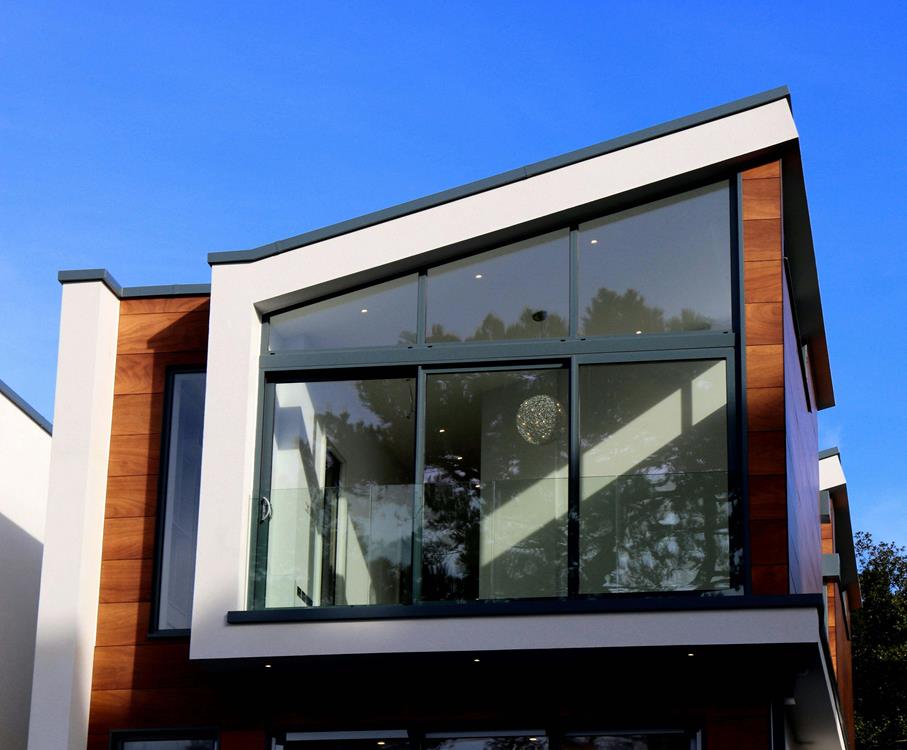
Glass plays a crucial role in modern buildings. It lets light in while keeping the weather out. Made from sand, lime, and silicates, glass is hard but breaks easily. Still, it has many useful traits for construction.
Some glass types block UV rays and infrared light. Glass also insulates against heat, electricity, and electromagnetic waves. This makes it great for windows, facades, and skylights.
Builders use many kinds of glass:
- Tinted glass
- Float glass
- Shatterproof glass
- Laminated glass
- Glass blocks
- Glass wool
Each type has special uses. Tinted glass cuts glare. Float glass is flat and clear. Shatterproof glass boosts safety. Laminated glass is strong and soundproof. Glass blocks add style and privacy. Glass wool insulates walls and roofs.
Glass cladding gives buildings a sleek look. It can cover whole walls with smooth, shiny surfaces. This creates eye-catching designs while protecting the building.
Plastic in Construction
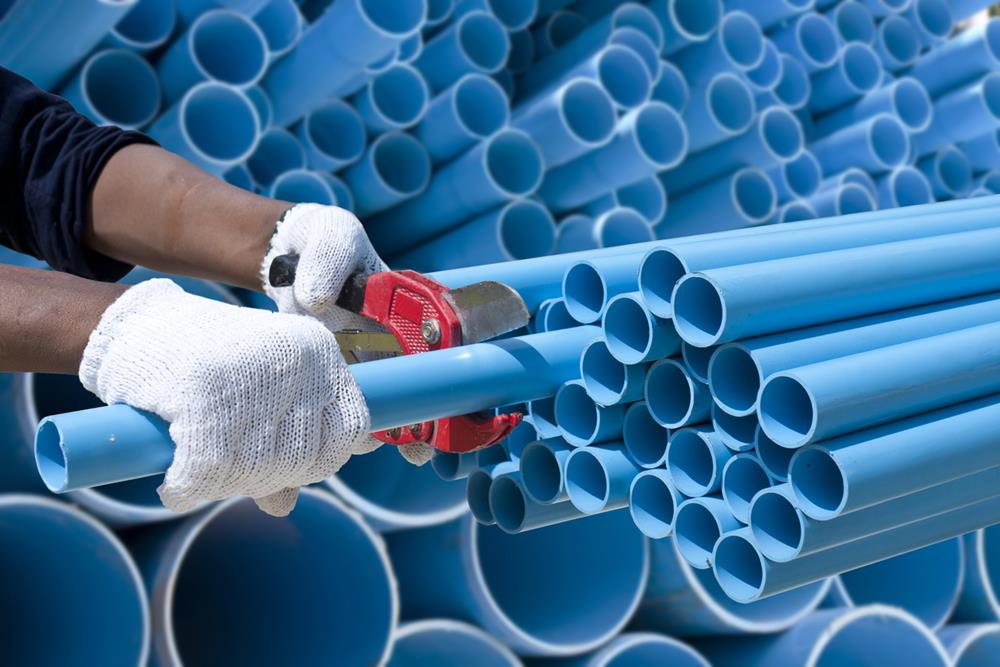
Plastic plays a significant role in modern building projects. Its versatility and unique properties make it useful for many applications. Builders often choose plastic materials for their strength, water resistance, and lightweight.
Common types of plastic in construction include:
- PVC (polyvinyl chloride)
- Polystyrene
- Acrylic
- Polycarbonate
These materials serve various purposes:
- Flooring: PVC and polyethylene are popular choices
- Roofing: Vinyl and polyurethane foam provide protection
- Insulation: Polyurethane spray helps regulate temperature
- Plumbing: Plastic pipes are widely used
- Windows: Vinyl and polycarbonate offer durability
Plastic’s ability to be molded into different shapes adds to its usefulness. This quality allows for custom designs and easy installation. The low cost of plastic also makes it an attractive option for builders. While some worry about its environmental impact, plastic remains a key material in the construction industry.
Fabric Materials in Construction
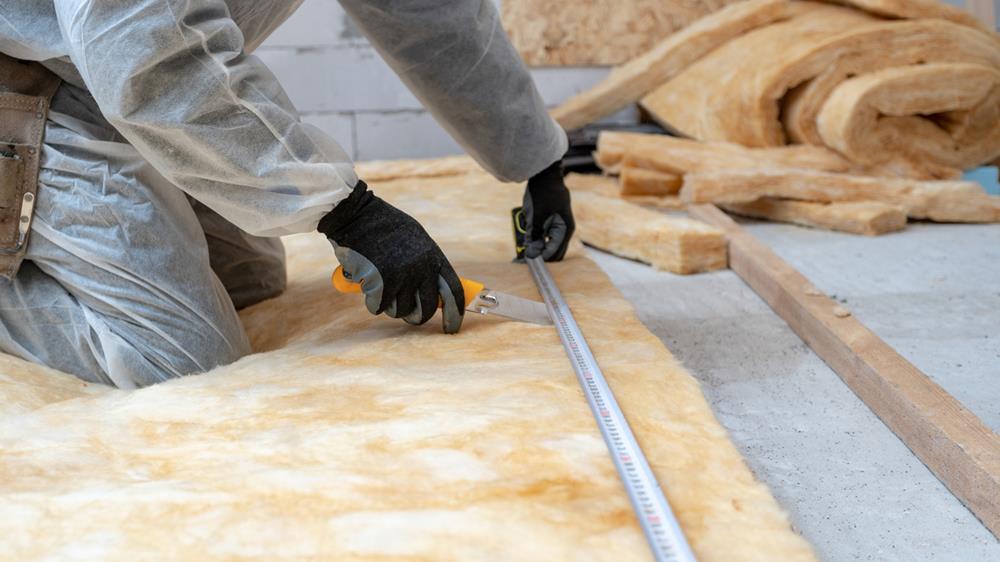
Fabric structures offer unique advantages in building design. These flexible materials can span large areas without internal support, creating open spaces ideal for tents and temporary roofs. Fabric buildings use less material than traditional structures, making them lightweight and easy to move.
Common fabrics in construction include:
- Cotton
- Polyester
- Vinyl-coated polyester
- Fiberglass
- PTFE (Teflon)
- ETFE foil
- Mesh and netting
Fabric structures have some drawbacks. They don’t insulate well and tend to wear out faster than solid materials. But new fabrics are tougher and resist weather better, expanding their uses.
Most fabric buildings go up quickly and can be taken down and moved. This makes them great for events, disaster relief, and other short-term needs. As fabrics improve, they’re meeting more building codes and finding new uses in construction.
Building Paper
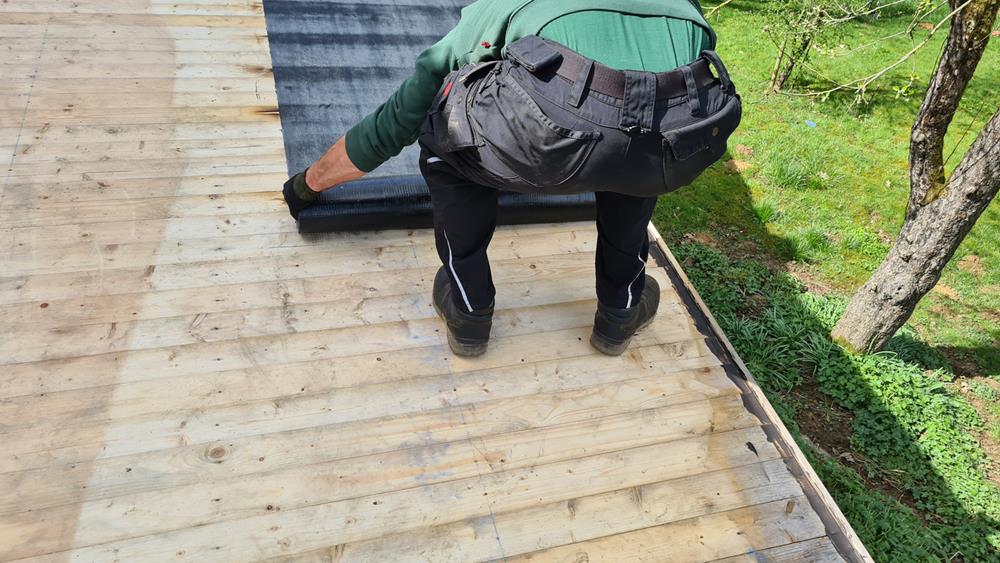
Building paper serves as a crucial component in construction, offering more than just office use. This thick material provides weather protection and insulation for buildings. It plays a key role in drywall production and adds an extra waterproofing layer for roofs and basements.
Common types of building paper include:
- Sheathing paper
- Floor lining paper
- Tar paper
- Asphalt felt paper
Contractors value building paper for its easy installation and replacement. It’s often used in stucco and masonry work to keep water away from wood and metal parts. Some building codes require two layers of paper for these uses.
While not as versatile as other materials, building paper remains a popular choice in construction. Its ability to block moisture and provide insulation makes it a practical option for many projects. Builders appreciate its effectiveness in creating barriers against the elements, helping to protect structures from water damage and temperature changes.
Choosing the Right Building Materials
Picking suitable materials is key for any building project. Different options have their own pros and cons. Strength, weight, and how long they last are important factors to think about. Some materials work better in certain climates than others.
There are many choices out there. This makes it possible to find materials that fit the project’s needs and budget. Builders should look at things like:
- How strong the material is
- How much it weighs
- How long it will last
- How well it resists fire
- How versatile it is
- Its insulation properties
- How eco-friendly it is
By weighing these factors, builders can make smart choices for their projects.
Wrapping up
selecting the right building materials is crucial for ensuring the durability, safety, and efficiency of any construction project. With a wide variety of options available, including natural materials like wood and stone, as well as modern solutions such as concrete, steel, and plastic, builders must consider factors like strength, cost, longevity, and environmental impact.
Each material offers unique advantages and challenges, making it essential to match the material to the specific needs of the project. By choosing wisely, architects and builders can create structures that are both functional and sustainable for the long term.