

The housing industry stands at a crucial crossroads as environmental concerns take center stage. With climate change impacts becoming more evident, people are increasingly seeking ways to reduce their ecological footprint. This shift in mindset has sparked a growing interest in sustainable housing materials and construction methods.
Housing plays a significant role in environmental impact, from the materials used to build homes to their long-term energy consumption. As policymakers and stakeholders grapple with affordable housing challenges, they must also consider the environmental costs of construction. Exploring eco-friendly building materials and practices can help address both the housing crisis and sustainability goals, benefiting households and the planet alike.
Housing Materials That Can Harm Our Planet
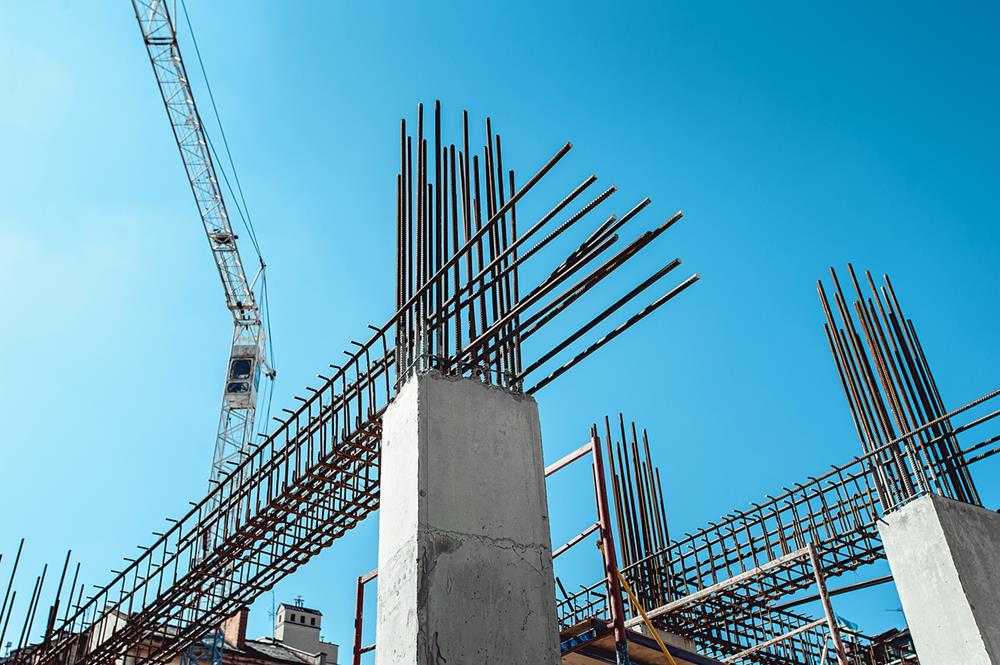
Many common building materials used in homes can damage the environment. These include:
- Concrete – high carbon emissions during production
- Vinyl siding– made from non-renewable petroleum
- Fiberglass insulation – uses non-biodegradable materials
As housing construction increases, the environmental impact of these materials grows. Choosing greener alternatives can help reduce the carbon footprint of new homes.
Steel in Construction
Steel plays a key role in modern buildings. Its strength and long-lasting nature make it popular with builders. Steel works well with concrete and costs less than some other options. But steel has a downside – it creates a lot of carbon emissions.
Steel is everywhere. We see it in buildings, vehicles, kitchen tools, and many machines. Each year, factories make about 2 billion tons of steel. This process releases a lot of carbon dioxide into the air. In fact, steel production causes almost 8% of all CO2 emissions on Earth.
Most steel comes from iron or coal. These materials help create the strong alloy we rely on. But they also harm our planet. People are trying to find cleaner ways to make steel. For now, though, steel production remains a big source of pollution.
Pros of steel:
- Very strong
- Lasts a long time
- Mixes well with concrete
- Costs less than some choices
Cons of steel:
- High carbon emissions
- Uses coal or iron in production
- Harms the environment
The Impact of Common Roofing Materials
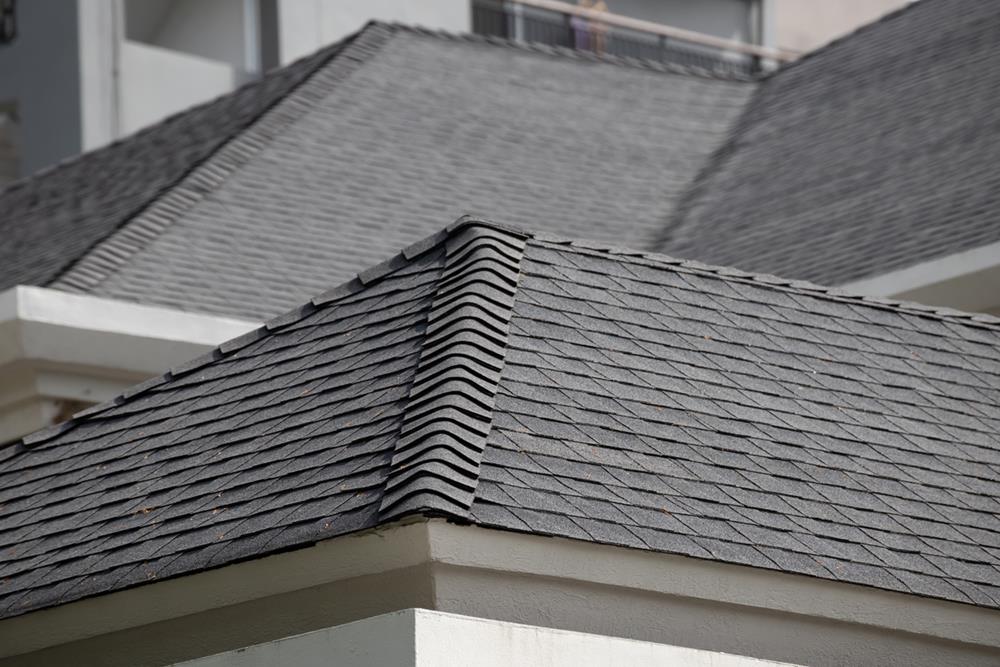
Asphalt shingles are a popular choice for many homeowners. They cover most American houses due to their low cost and simple installation. But these benefits come with drawbacks.
These shingles can be easily damaged. Strong winds from storms may tear them off roofs. This leads to frequent replacements and waste. Many end up in landfills, where they create long-term problems.
Asphalt shingles take centuries to break down. They can last 300-400 years in dumps. This slow decay means they:
- Take up lots of space
- May leak harmful chemicals
- Can pollute water sources
While cheap upfront, the true cost of asphalt shingles is high. Their environmental impact extends far beyond installation. Homeowners should weigh these factors when choosing roofing materials.
The Environmental Impact of Concrete
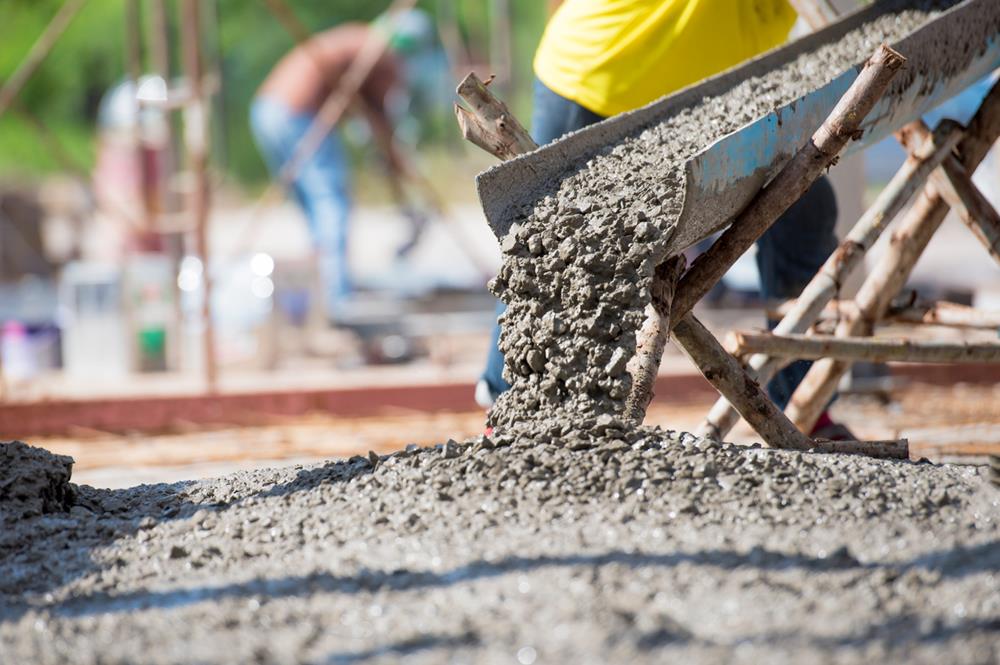
Concrete is a widely used building material that poses significant environmental challenges. It’s a common sight in sidewalks, driveways, and buildings worldwide. Despite its popularity, concrete is a major contributor to global CO2 emissions.
The production of concrete is resource-intensive and generates substantial pollution. In fact, concrete manufacturing accounts for about 8% of global CO2 emissions. This puts it on par with steel and just behind fossil fuels like oil, coal, and gas in terms of environmental impact.
While concrete is often chosen for its perceived strength, especially in coastal areas prone to hurricanes, it comes with drawbacks:
- High CO2 emissions during manufacturing
- Strain on groundwater systems used for drinking and irrigation
- Potential to become a liability as it wears down over time
Cement production is a key factor in concrete’s environmental footprint. As the main ingredient that binds concrete together, cement’s manufacturing process is particularly carbon-intensive.
To address these issues, the construction industry is exploring more sustainable options for concrete production. These efforts aim to reduce the material’s environmental impact while maintaining its useful properties for building.
Housing Materials for Environmental Benefit
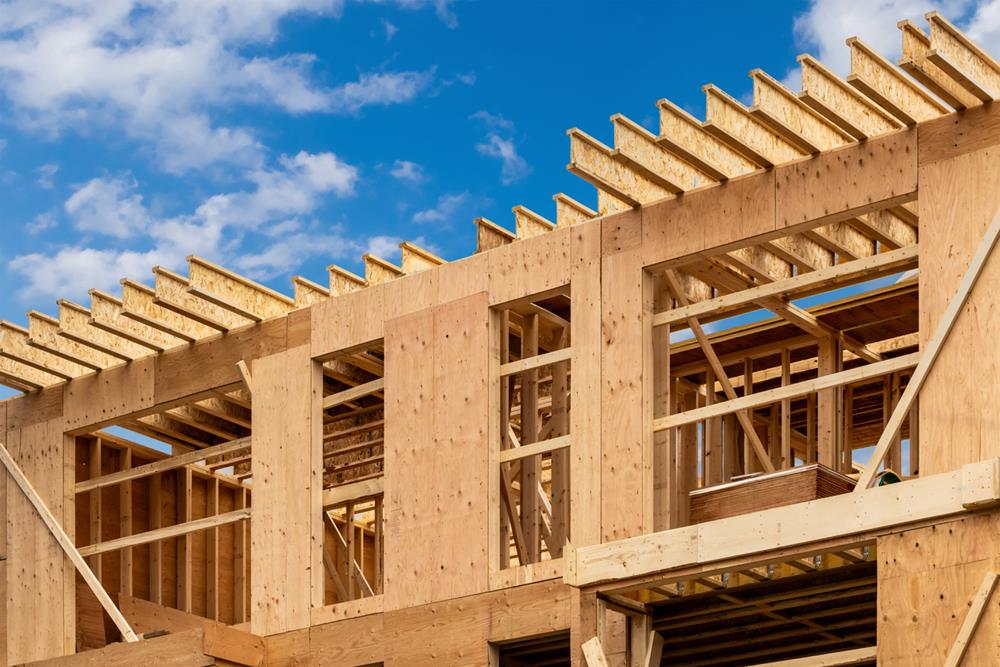
Eco-friendly building materials offer a path to more sustainable housing. Three options stand out for their environmental performance without sacrificing quality:
- Engineered timber
- Recycled steel
- Low-carbon concrete
These materials can boost energy efficiency and reduce a home’s carbon footprint over its lifecycle. Builders and homeowners now have more choices to create durable, comfortable homes that are also kinder to the planet.
Repurposed Timber: A Sustainable Building Option
Wood stands out as an eco-friendly choice for construction. It comes from trees, which can grow back, and takes less energy to make than materials like concrete or steel. But cutting down too many trees has led to problems.
People have found a smart fix by using old wood again. This recycled lumber costs less and helps the planet more than new wood. When builders pick old wood, they don’t need to cut down as many trees.
Old wood has another good point – it’s often stronger than new wood because it’s had time to dry out more. This makes it great for renovated homes and other building projects.
- Costs less than new wood • Helps save trees • Often stronger than new wood • Good for fixing up old buildings
Photovoltaic Roof Tiles
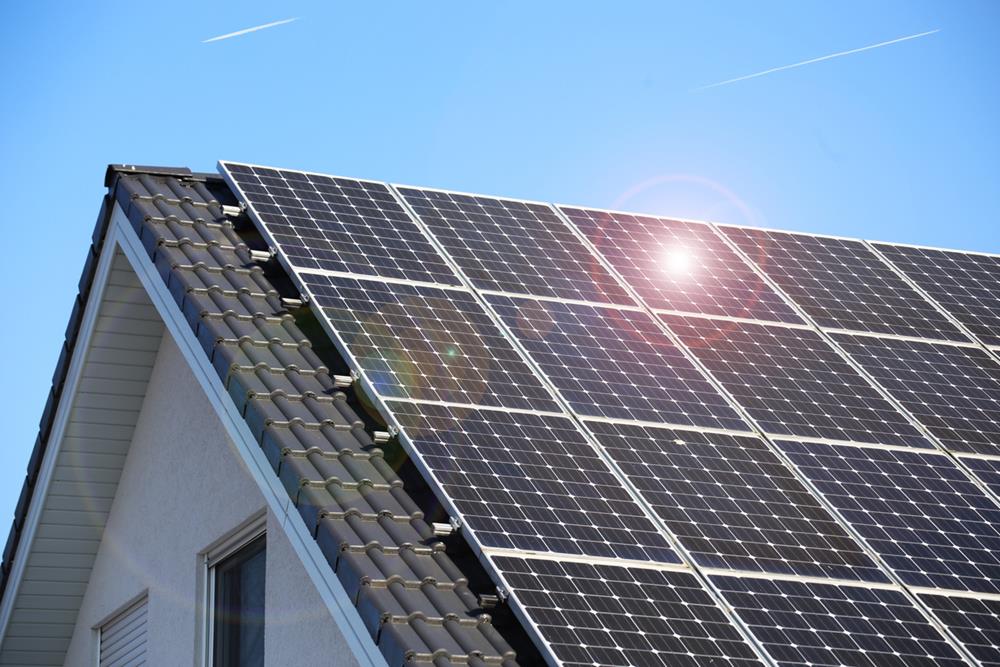
Photovoltaic roof tiles offer a smart alternative to traditional shingles. These innovative tiles protect homes from harsh weather while generating clean energy. They are stronger than standard roofing materials and can withstand rain, snow, and fire.
The tiles work like mini solar panels, turning sunlight into electricity. They take up less space than regular solar panels, making them a sleek choice for homeowners.
Benefits of photovoltaic roof tiles:
- Produce clean energy
- Reduce electricity bills
- More durable than standard shingles
- Protect homes from the elements
- Sleek, low-profile design
By choosing these tiles, homeowners can lower their carbon footprint and cut energy costs. The tiles blend in with regular roofing, creating a smooth look while working hard to power homes.
Nature’s Building Block
Bamboo has gained traction as a construction material in recent years. This versatile plant appears in various home elements, from flooring to wall coverings. Its use dates back centuries, prized for its strength and lightweight. Bamboo stands up well to fire and strong winds, making it a smart choice for buildings.
One of bamboo’s biggest advantages is its quick growth cycle. It reaches harvest size in about 3 years, while most trees take 25+ years. This rapid renewal helps fight forest loss.
Key bamboo benefits: • Sturdy yet lightweight • Fire-resistant • Storm-resistant • Fast-growing (3-year harvest cycle) • Helps reduce deforestation
Building With Greener Materials
Climate change has led to more severe weather events, prompting a shift towards sustainable construction practices. To create a more resilient future, the building industry is exploring eco-friendly alternatives. Some materials have negative environmental impacts and should be avoided. In contrast, others offer sustainable options for construction.
Builders can choose from several green materials. Clay is a popular choice due to its natural origins and versatility. Another option is timbercrete, made from sawdust and concrete. This composite reduces waste and uses readily available resources.
By selecting these greener materials, construction projects can help mitigate climate change impacts and promote occupant health. The shift towards sustainable building practices aligns with global climate targets and supports a circular economy.
Conclusion
The materials we choose for constructing our homes have a profound impact on the environment. As we face the growing challenges of climate change, it’s crucial to rethink our approach to housing construction. Traditional materials like concrete, steel, and asphalt shingles, while popular and practical, contribute significantly to carbon emissions and environmental degradation.
However, the rise of eco-friendly alternatives like engineered timber, recycled steel, low-carbon concrete, and innovative options like photovoltaic roof tiles and bamboo, offers a path toward more sustainable and responsible building practices.