

House museums offer visitors the rare opportunity to experience history in its original setting. Unlike traditional galleries, these spaces immerse guests in the lived environments of past inhabitants, where authentic furniture, personal belongings, and original architectural details create a tangible connection to earlier eras. Walking through a preserved parlor or study allows visitors to imagine daily life as it unfolded in these homes, from grand estates to modest dwellings.
These institutions are more than static historical displays—they are dynamic cultural spaces. Through curated interpretation, educational programming, and community engagement, house museums serve as bridges between the past and the present. They preserve architectural heritage while fostering an understanding of social history, art, and the personal stories that shaped local and national identities.
Key Takeaways
- House museums preserve historic residences, authentic artifacts, and architectural heritage.
- These institutions provide immersive educational experiences that connect visitors with past eras and figures.
- Interpretation and storytelling bring history to life through personal and collective narratives.
- Preservation and conservation are ongoing challenges for maintaining historic integrity.
- Modern digital tools and community programs keep house museums relevant in contemporary society.
Defining the Purpose and Mission of House Museums
House museums serve as guardians of cultural heritage, preserving authentic furnishings and artifacts that illustrate the lives of their former inhabitants. Their primary mission is to connect visitors with history in context, allowing them to understand significant figures and events through their original environments.
Beyond preservation, house museums function as community and educational spaces. Many host workshops, lectures, and cultural programs that engage local audiences and strengthen connections to regional heritage. This community involvement helps ensure that historic sites remain relevant and accessible, rather than isolated relics of the past.
Some house museums also experiment with innovative programming, such as site-specific art installations or seasonal exhibits. While maintaining historical integrity, these initiatives provide contemporary relevance, ensuring that the houses remain vibrant cultural resources for both scholars and the public.
Evolution of House Museums Through History
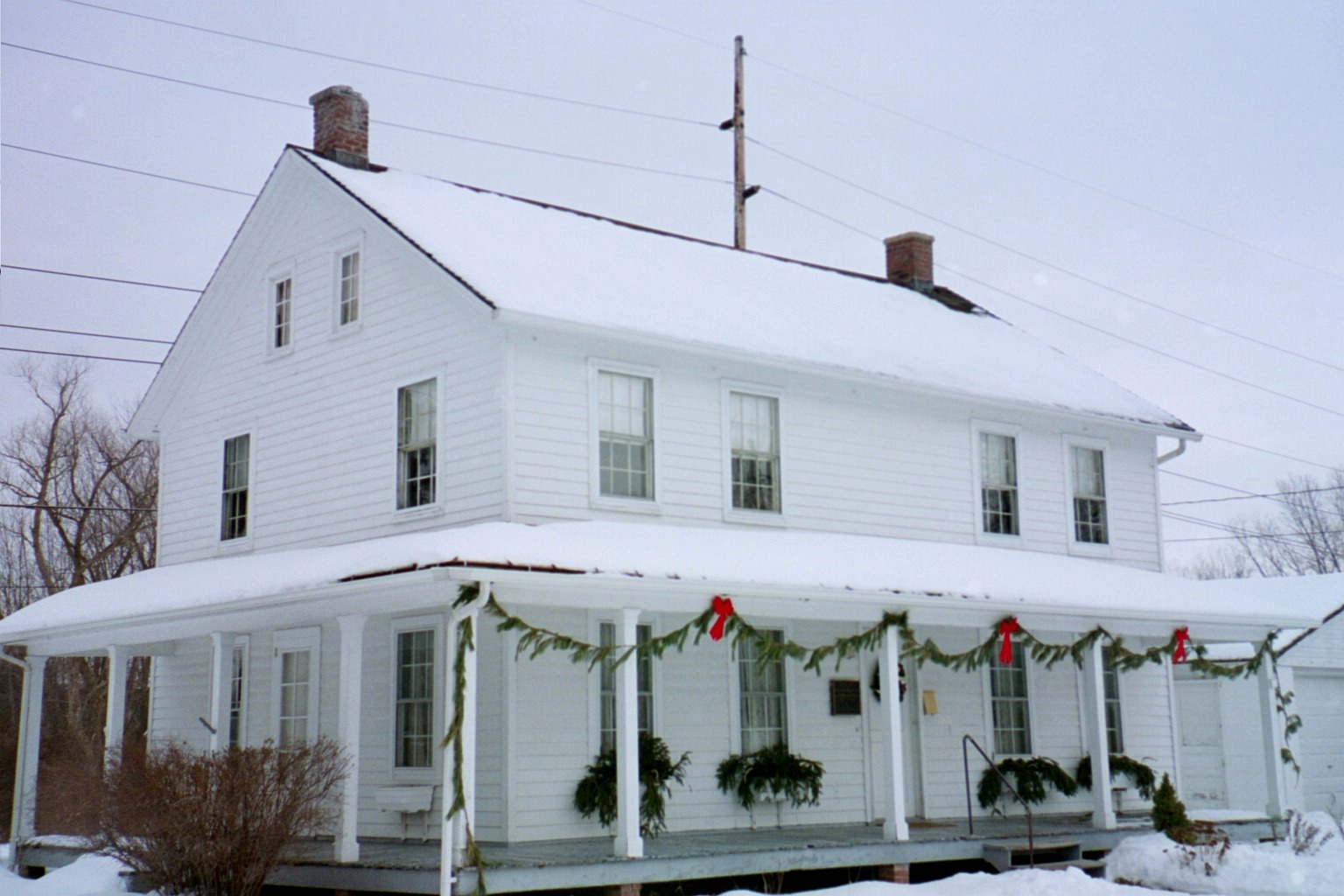
The origins of American house museums trace back to the mid-19th century, when patriotic preservation movements sought to safeguard the homes of national heroes. Sites like Hasbrouck House in Newburgh, New York—George Washington’s Revolutionary War headquarters—became the first publicly operated historic site in 1850.
Preservation gained momentum with organizations like the Mount Vernon Ladies’ Association, founded in 1853 to save George Washington’s estate. These early efforts primarily focused on elite residences and national figures, but over time, interest expanded to ordinary homes, reflecting a broader approach to social history.
The American Revolution Bicentennial of 1976 sparked renewed attention for house museums, though financial sustainability remained a challenge. Today, these institutions continue to adapt, incorporating interactive exhibits and modern conservation practices to engage contemporary audiences while honoring their historic missions.
Categories and Types of Historic House Museums
Historic house museums can be grouped into distinct categories, each offering a unique interpretive experience:
- Personality Houses focus on the lives of notable figures, displaying personal artifacts and illustrating their achievements.
- Collection Houses showcase the tastes and collections of past owners, emphasizing material culture.
- Houses of Beauty highlight architectural or design significance, drawing enthusiasts of art and craftsmanship.
- Historic Event Houses commemorate pivotal moments, serving as educational memorials for local or national history.
- Local Society Houses preserve community traditions and heritage, often relying heavily on volunteer and civic engagement.
Some house museums gain recognition through popular culture or media appearances, broadening their appeal. This variety ensures that house museums can serve diverse interests, from literary tourism to architectural appreciation, while advancing their shared mission of historical preservation and interpretation.
Preservation Challenges and Conservation Practices
Operating a historic house museum requires careful balance between preservation and accessibility. Many small museums struggle with limited funding, where operational costs far exceed revenue from admissions or events. This financial strain often impacts the ability to carry out critical maintenance and conservation work.
Environmental and structural challenges further complicate preservation. Fluctuating temperature, humidity, light, and pests accelerate deterioration, and older buildings may lack modern climate control. Professional conservation is essential for protecting fragile textiles, furniture, and architectural details, but many sites rely heavily on volunteers due to staffing and budget limitations.
To sustain their missions, house museums increasingly seek grants, partnerships, and innovative funding. By integrating preventive conservation, emergency preparedness, and expert consultation, they protect the authenticity of the historic setting, ensuring that these homes remain enduring touchstones of cultural memory.
Interpretive Approaches and Storytelling Methods
The way a house museum tells its story shapes how visitors understand and emotionally connect with history. Common approaches include:
- Documentary interpretation, focusing on factual accounts of the residents and their era.
- Representative interpretation, highlighting architectural style or social life rather than a single individual.
- Aesthetic interpretation, emphasizing the beauty of objects and interior design.
Modern house museums often employ multisensory and interactive storytelling. Guided tours, first-person interpretation in period costume, soundscapes, and digital tools create immersive experiences that transform static spaces into lived history. By blending historical accuracy with emotional resonance, house museums ensure their narratives are authentic, inclusive, and engaging.
Educational Value and Community Engagement
View this post on Instagram
House museums serve as trusted educational resources that enhance critical thinking, empathy, and civic awareness. Many align programming with school curricula, host youth workshops, and provide access to underserved communities, making history more inclusive and accessible.
Beyond formal education, these museums strengthen community bonds by hosting lectures, local festivals, and cultural events. By reflecting the lived experiences of diverse populations, house museums bridge social and generational gaps, allowing visitors to see history as a shared and relatable experience.
Their role as community anchors ensures that historic preservation remains relevant, not only preserving the past but actively enriching present-day cultural life.
Managing Collections and Authentic Settings
Maintaining a house museum involves meticulous collections management to preserve both objects and architectural integrity. Staff monitor temperature, humidity, and light to prevent deterioration and use specialized storage and cataloging systems to track each artifact.
Preservation requires regular assessment and collaboration with conservators and security experts. Emergency plans are critical to protect against fire, water damage, or natural disasters, which can quickly destroy irreplaceable materials.
Through these careful behind-the-scenes efforts, visitors can experience history in authentic settings, walking through rooms where objects remain in situ, maintaining the powerful connection between place and story.
Modern Relevance in a Digital Age
In the 21st century, house museums are embracing digital transformation to remain relevant and accessible. Even small institutions now explore virtual tours, smartphone guides, and VR experiences, allowing audiences worldwide to engage with historic homes remotely.
Social media and online exhibits expand visibility and community outreach, while digital collection management enhances preservation. Though technology adoption is often limited by budget, these tools allow new forms of storytelling and create opportunities for data-driven visitor engagement.
By combining historic authenticity with digital innovation, house museums continue to serve as cultural touchstones, connecting the past with the needs and expectations of modern audiences.
Where History Lives
House museums are living bridges to the past, preserving authentic settings and artifacts while connecting communities to the stories of those who came before. Through careful conservation, compelling storytelling, and modern engagement, these institutions ensure that historic homes remain vibrant spaces for education, reflection, and cultural continuity.
In an era of rapid change, house museums remind visitors that history is best understood in the places where life was lived, allowing us to experience our heritage not as distant memory, but as tangible and enduring presence.