

Hardscaping plays a vital role in transforming outdoor spaces. While many think of landscaping as planting grass, trees, and flowers, hardscaping adds non-living elements that enhance both beauty and functionality. These structures and materials include patios, walkways, retaining walls, and other built features that shape and define outdoor areas.
From stone pathways to wooden decks, hardscaping materials come in many forms. They provide structure, improve drainage, and create usable spaces for relaxation and entertainment. When combined thoughtfully with plants and natural elements, hardscaping helps achieve a balanced and appealing landscape design. It can boost curb appeal, increase property value, and make outdoor spaces more enjoyable year-round.
| Material | Benefits | Drawbacks |
|---|---|---|
| Concrete (Cast & Stamped) | Highly durable; customizable with stains and stamps; low maintenance | Can crack over time; limited natural texture; requires professional installation |
| Brick Pavers & Veneer | Classic look; long lifespan; good load-bearing capacity | Higher cost; mortar joints may need repair; heavy |
| Natural Stone (Flagstone, Slate, Limestone) | Unique textures and colors; extremely durable; upscale appearance | Expensive; uneven surfaces can be a tripping hazard; labor-intensive to install |
| Wood (Cedar, Redwood, Pressure-Treated) | Warm, natural aesthetic; easy to cut and shape; renewable resource | High maintenance (staining/painting); prone to rot, warping, insects |
| Composite Decking | Resists rot and insects; low upkeep; consistent color and finish | Higher upfront cost; can fade over time; heat retention underfoot |
| Concrete & Clay Pavers | Modular for easy repair; wide range of shapes and colors; permeable options available | Weed growth in joints; surface can settle unevenly; requires occasional re-sanding |
| Outdoor Tile (Porcelain, Terracotta, Ceramic) | Elegant finish; slip-resistant varieties; frost- and stain-resistant | Higher material and labor costs; can chip or crack under heavy impact |
| Asphalt | Cost-effective; quick installation; smooth finish for driveways and courts | Shorter lifespan (10–15 years); softens in extreme heat; requires periodic sealing |
| Loose Aggregates (Gravel, River Rock, Pebbles) | Excellent drainage; easy DIY installation; low cost | Shifts underfoot; weeds can emerge; may require regular replenishment |
| Decomposed Granite | Natural look; compactable for firm walking surfaces; good permeability | Can wash away on slopes; dusty when dry; periodic topping up needed |
| Gabion Baskets | Strong retaining walls; uses local stone; excellent drainage | Industrial aesthetic; wire cages can corrode over decades; heavy |
| Mulch (Organic & Rubber) | Improves moisture retention (organic); supresses weeds; decorative | Needs annual refresh; organic types decompose; rubber variants can trap heat |
Concrete in Hardscaping
Concrete is a versatile hardscaping material. It can be used for patios, walkways, steps, and edging. Concrete planters and basins are also popular choices. Modern techniques have expanded the options beyond plain gray slabs. Staining adds color, while stamping creates patterns and textures. Concrete can even be mixed with other materials for unique looks. These methods allow homeowners to customize their outdoor spaces and create eye-catching designs.
Brick in Hardscaping
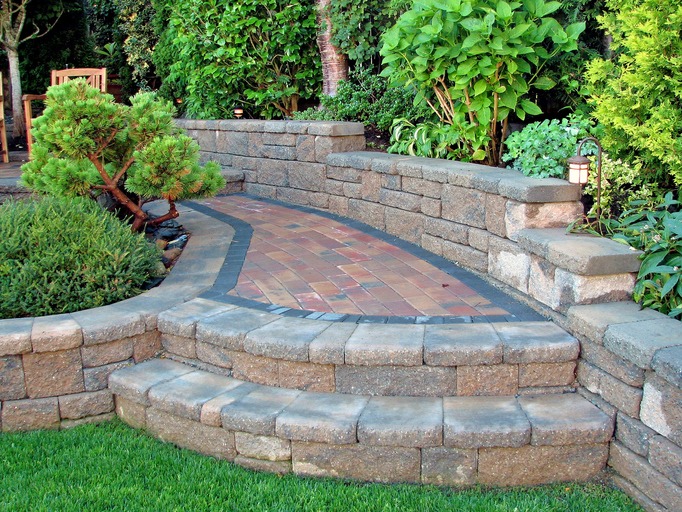
Brick is a versatile and enduring choice for outdoor spaces. It comes in many shapes, sizes, and colors, making it adaptable to various design styles. Brick is strong and needs little upkeep, making it a smart pick for patios, walls, and fireplaces. Its range of shades allows for creative patterns in paving.
Designers often use brick to add charm and texture to gardens and yards. It pairs well with other materials like stone or concrete. Brick can create a classic look or blend with modern designs. Its durability means it can last for years with proper care.
Rock Options for Landscapes
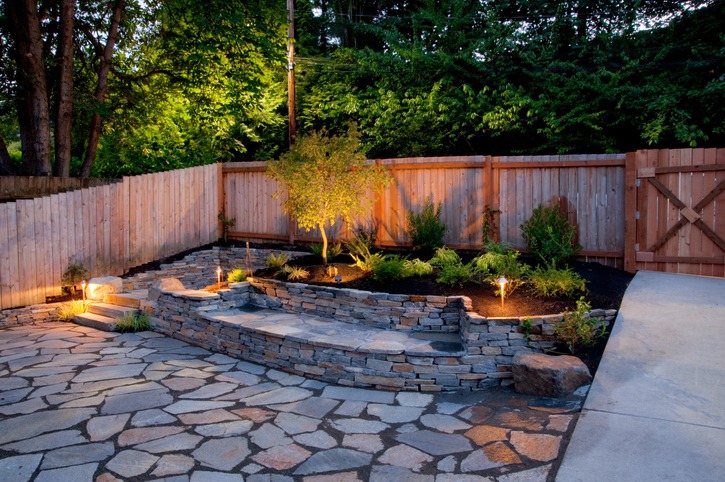
Stone adds strength and beauty to outdoor spaces. Natural stone comes in many shapes and colors. It works well in different garden styles, from dry desert looks to peaceful Asian-inspired designs. Flagstone has flat sides that fit together nicely. People use it for walls and paths. In its raw form, flagstone gives a country feel. Slate and limestone are other good choices. Each type of stone brings its own look to a yard. Picking the right stone can make a big impact on how a space looks and feels.
Wood in Hardscaping
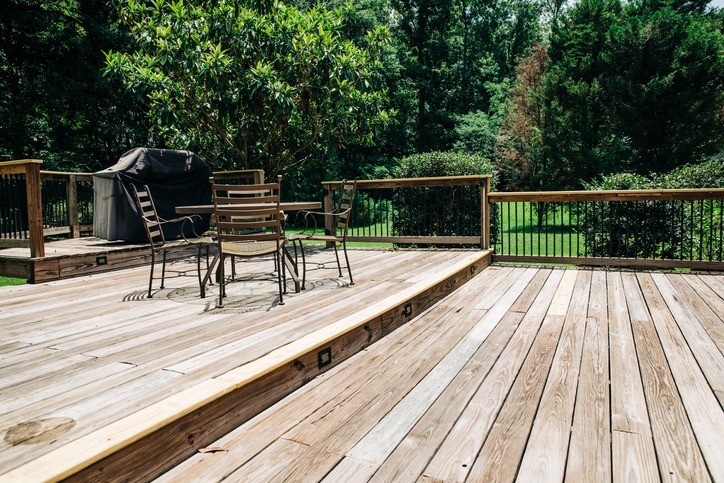
Wood is a versatile hardscaping material used in many outdoor projects. It’s perfect for building decks, fences, and other structures. Homeowners often choose wood for its natural look and feel. Cedar and redwood are popular choices due to their durability. These woods resist decay and insects. Pressure-treated lumber is another option for outdoor use.
Wood works well for pergolas and gazebos, too. These structures add charm to gardens and patios. Wood can be stained or painted to match any style. It’s also easy to work with, making it a favorite for DIY projects.
Wood Composite Decking
Wood composite is a smart choice for outdoor projects. It blends recycled plastic and wood fibers to create a sturdy material. This mix looks and feels like real wood but lasts longer. People often pick it for decks because it’s tough and easy to care for. It doesn’t need much upkeep and stays looking good.
Many homeowners now use wood composite for fences too. It fights off mold and keeps bugs away. This means less work and worry for property owners. Wood composite comes in many colors and styles to match different homes.
Scattered Stones and Pebbles
Loose rocks and pebbles are popular in landscaping. They come in many earth tones, making them easy to blend with different garden styles. People use these materials for paths, edges, and water features. Some even put pebbles in shallow planters as a colorful plant substitute.
Gravel is useful for driveways and walkways. It crunches underfoot and helps with drainage. Pebbles work well around ponds or fountains. They create a natural look and hide pump equipment.
Loose materials are easy to move and shape. This makes them great for DIY projects. They also need little upkeep, saving time and money in the long run.
Paving Options
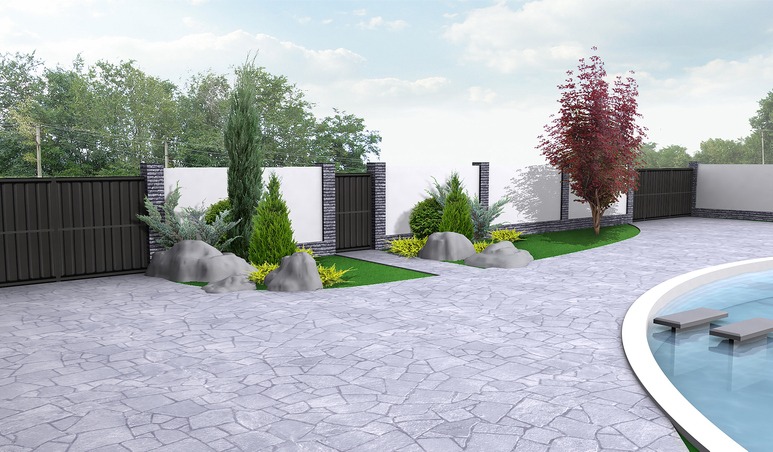
Concrete pavers offer a versatile choice for outdoor flooring. These man-made pieces come in many shapes, colors, and sizes. Pavers are made by pouring a mix of concrete and dye into molds. They can be placed in different patterns to create unique looks.
Installing pavers is not too hard. First, the ground must be flat and packed down. Then a layer of sand or small rocks goes on top. The pavers are placed on this base. Some pavers lock together, making it easy to form cool designs.
Pavers work well for patios, paths, and driveways. They are strong and can last a long time. If one breaks, it’s simple to swap it out for a new one.
Tile for Outdoor Spaces
Tile is a durable and elegant option for outdoor hardscaping. It comes in many types, including ceramic, porcelain, and terracotta. Tiles work well for outdoor kitchen floors, seating areas, and bar surfaces. While more expensive than some materials, tiles can last for many years. They add a touch of class to any outdoor space. Homeowners can pick from a wide range of colors and styles to match their design vision.
Asphalt Paving
Asphalt is a versatile hardscaping material often used in residential settings. While it’s most common in front yards, it can also be found in backyards. Driveways are the main use for asphalt, but it’s also great for walkways. Some homeowners create asphalt slabs for basketball courts or parking areas for RVs and other large vehicles.
Asphalt has several benefits:
- Cost-effective
- Easy to maintain
- Practical
- Attractive appearance
These qualities make asphalt a good choice for those who want a durable surface without breaking the bank. It offers a sleek, uniform look that can enhance a property’s curb appeal.
Mulch for Garden Beauty and Plant Health
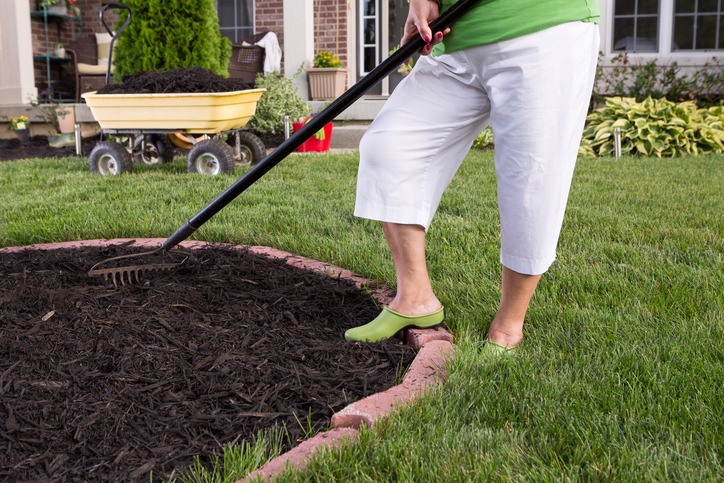
Mulch is a versatile hardscaping material that adds visual appeal and benefits plants. It comes in organic and inorganic types. Organic mulches like bark, wood chips, and leaves break down over time, improving soil quality. Inorganic options such as stones or rubber last longer but don’t enrich the soil.
Spreading mulch around plants helps:
- Keep soil moist
- Reduce weeds
- Regulate soil temperature
- Prevent soil erosion
When applying mulch:
- Remove weeds first
- Spread a 2-3 inch layer
- Keep mulch away from plant stems and tree trunks
- Refresh as needed, typically once a year
Mulch comes in various colors to complement garden designs. Natural earth tones are popular but dyed mulches offer bolder options. Some gardeners mix mulch types for unique effects.
While not as stable as other hardscaping materials, mulch is easy to replace and refresh. Its affordability makes it a top choice for many gardeners. For best results, choose a mulch that suits your plants’ needs and your garden’s style.
Conclusion
Hardscaping materials play an essential role in creating functional, beautiful, and long-lasting outdoor spaces. From concrete and brick to the natural charm of wood and stone, each material brings unique benefits that can elevate any landscape design. Selecting the right hardscaping material ensures that your outdoor areas are both practical and visually appealing. By thoughtfully combining these materials with plantings, you can achieve a balanced landscape that adds value, enhances curb appeal, and creates a welcoming environment for relaxation and entertainment.