

The construction industry has been shaped by the efforts of professionals who have influenced various aspects of constructing buildings and structures. These individuals are known for their skill, dedication, and innovation while also playing important roles in building the structures we rely on every day. Let us highlight some of these legendary professionals and their remarkable achievements in construction.
| Name & Origin | Specialty & Iconic Projects | Legacy / Contributions |
|---|---|---|
| Frank Lloyd Wright USA |
Specialty: Organic Architecture Projects: Fallingwater, Guggenheim Museum |
Integrated buildings with nature; redefined American residential and public architecture. |
| Norman Foster United Kingdom |
Specialty: High-tech & Sustainable Design Projects: The Gherkin, Apple Park |
Led global innovation in green architecture and city planning. |
| Gustave Eiffel France |
Specialty: Structural Engineering Projects: Eiffel Tower, Statue of Liberty (framework) |
Pioneered use of iron structures; laid groundwork for modern skyscrapers. |
| Zaha Hadid Iraq / United Kingdom |
Specialty: Futuristic, Deconstructivist Architecture Projects: Heydar Aliyev Center, MAXXI Museum |
First female Pritzker Prize winner; known for bold, flowing forms and architectural innovation. |
| Antoni Gaudí Spain |
Specialty: Gothic & Art Nouveau Fusion Projects: Sagrada Familia, Casa Batlló |
Infused buildings with natural forms and deep symbolism; icon of Catalan architecture. |
| I.M. Pei China / USA |
Specialty: Modernism & Geometric Design Projects: Louvre Pyramid, Bank of China Tower |
Unified East and West design philosophies; created iconic modern structures worldwide. |
| Santiago Calatrava Spain |
Specialty: Biomorphic & Kinetic Architecture Projects: Turning Torso, Oculus (NYC), Samuel Beckett Bridge |
Blended architecture with sculpture and engineering; inspired dynamic, movement-based designs. |
| Renzo Piano Italy |
Specialty: Cultural Spaces, Transparency & Light Projects: Centre Pompidou, The Shard, Whitney Museum |
Master of functional beauty; redefined public architecture through light, openness, and innovation. |
Frank Lloyd Wright
Frank Lloyd Wright is known for his architectural designs that blend with the natural environment. His approach to design, which he called organic architecture, emphasized harmony between human habitation and the surrounding landscape. Wright believed that buildings should serve the people who live in them while also complementing their natural surroundings.
Wright’s most famous work, Fallingwater, exemplifies this philosophy. The house, built over a waterfall, seems to grow from the rock on which it stands. This design challenges traditional architectural norms and redefines the relationship between a structure and its environment.
Beyond his work in residential architecture, Wright also made contributions to commercial and public buildings. His designs for the Guggenheim Museum in New York and the Marin County Civic Center are notable for their unique forms and innovative use of space. Wright’s influence on modern architecture is undeniable, and his ideas continue to inspire architects around the world.
Norman Foster
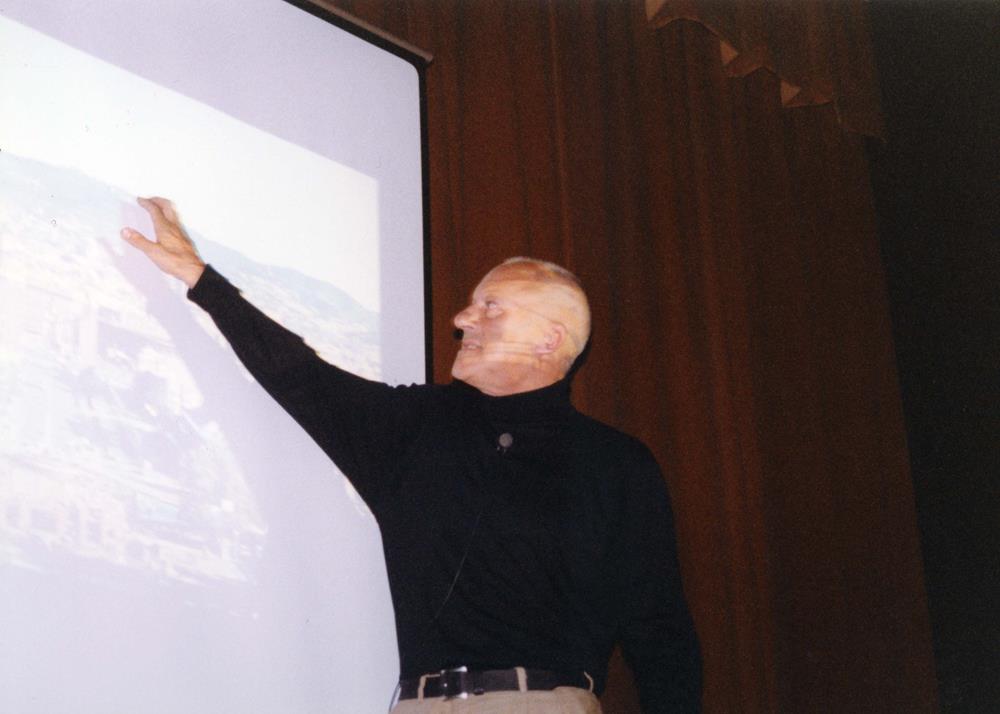
Norman Foster is a British architect known for his high-tech approach to design. His work often features sleek, futuristic structures that incorporate advanced materials and technology.
Foster’s designs are characterized by their emphasis on sustainability, efficiency, and innovation. He has been at the forefront of integrating eco-friendly practices into architecture, making him a leader in the field of sustainable design.
One of Foster’s most iconic projects is the Gherkin in London, a skyscraper known for its distinctive shape and energy-efficient design. The building’s form reduces wind load and maximizes natural light, making it an example of how modern architecture can balance aesthetics with environmental responsibility.
Foster’s work on the Gherkin has been praised for its innovative approach to urban design, and the building has become a symbol of London’s skyline.
In addition to his work on individual buildings, Foster has been involved in large-scale urban planning projects. His designs for entire cities and districts focus on creating spaces that are livable, sustainable, and connected.
Foster’s has also helped shape the way cities are designed and how they function in the modern world. His commitment to innovation and sustainability has earned him a place among the most respected architects of our time.
Gustave Eiffel
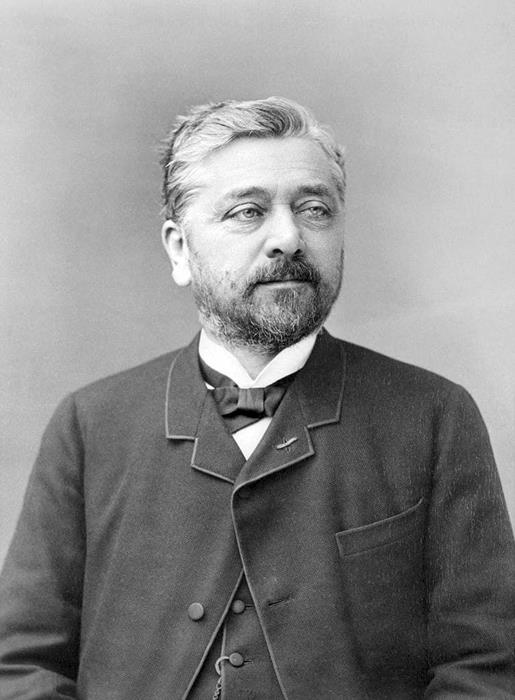
Gustave Eiffel was a French civil engineer whose work has become iconic in the field of structural engineering. He is best known for designing the Eiffel Tower in Paris, a structure that, at the time of its completion, was the tallest man-made object in the world.
Eiffel’s expertise extended beyond the Eiffel Tower. He was also involved in designing the framework for the Statue of Liberty, ensuring that the statue could withstand the elements while standing tall on Liberty Island. His work on the internal structure of the statue demonstrated his ability to solve complex engineering problems and contributed to the statue’s lasting durability.
In addition to these famous projects, Eiffel was a pioneer in the use of metal in construction. He understood the properties of iron and steel, and his work laid the foundation for the modern skyscraper. His innovative use of materials and construction techniques paved the way for future engineers to build taller and more ambitious structures.
Zaha Hadid
Zaha Hadid was an Iraqi-British architect known for her futuristic and daring designs. Her work often featured bold curves and unconventional forms that challenged traditional architectural norms. Hadid’s ability to create fluid, dynamic spaces earned her a reputation as one of the most innovative architects of her time.
Hadid was the first woman to receive the Pritzker Architecture Prize, one of the highest honors in the field. Her design for the Heydar Aliyev Center in Baku, Azerbaijan, is a prime example of her unique style. The building’s flowing lines and absence of right angles make it stand out as a piece of art as much as a functional space. Hadid’s work often blurred the lines between architecture and sculpture, creating spaces that were both visually stunning and highly functional.
Her influence extended beyond her completed projects. Hadid was a professor of architecture and influenced a new generation of architects with her innovative ideas and commitment to pushing the boundaries of design. Her legacy continues to inspire those in the field, and her work remains a testament to what is possible when imagination and technical skill come together.
Antoni Gaudí
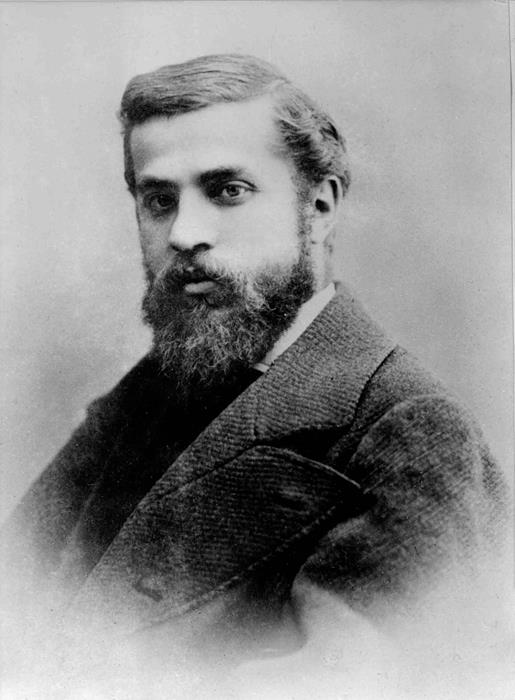
Antoni Gaudí was a Spanish architect known for his distinctive style, which combined Gothic and Art Nouveau elements. His work is most famously represented by the Sagrada Familia in Barcelona, a basilica that has become a symbol of the city.
Gaudí’s designs often featured organic shapes, vibrant colors, and intricate details that drew inspiration from nature. He was a pioneer in using new materials and construction techniques, which allowed him to create structures that were both functional and visually striking.
Gaudí’s work extended beyond religious buildings. He also designed residential structures like Casa Batlló and Casa Milà, which are celebrated for their unique forms and artistic expression.
These buildings feature undulating facades, colorful mosaics, and imaginative use of light and space. Gaudí’s ability to integrate architecture with art set him apart from his contemporaries and has made his work a lasting part of architectural history.
Despite facing challenges during his career, Gaudí remained dedicated to his vision. He devoted the last years of his life to the completion of the Sagrada Familia, which remains unfinished today.
Gaudí’s influence can be seen in the way architects approach the relationship between form and function, and his work continues to inspire those who seek to push the boundaries of design.
I.M. Pei
I.M. Pei was a Chinese-American architect known for his modernist designs that combined simplicity with bold geometric forms. His work is recognized for its clean lines and use of glass and steel, which created buildings that were both elegant and functional.
Pei’s approach to architecture was rooted in a deep understanding of how buildings interact with their surroundings, and he often sought to create spaces that were in harmony with their environment.
One of Pei’s most famous projects is the glass pyramid entrance to the Louvre Museum in Paris. This structure, with its sharp lines and transparent surfaces, contrasts with the historic architecture of the Louvre while complementing its grandeur.
The pyramid has become a symbol of modern design and a popular landmark in its own right. Pei’s work on the Louvre demonstrated his ability to blend modernity with tradition, creating a dialogue between the old and the new.
Pei’s portfolio includes many other notable projects, such as the Bank of China Tower in Hong Kong and the John F. Kennedy Presidential Library in Boston. Each of his designs reflects his belief in the power of architecture to shape human experience.
Pei’s legacy lies in his ability to create spaces that are not only visually appealing but also meaningful in their context, and his influence continues to be felt in contemporary architecture.
Santiago Calatrava
Santiago Calatrava is a Spanish architect and engineer known for his striking and futuristic designs. His work often features dynamic shapes and structures that resemble living organisms.
Calatrava’s designs are unique in their ability to blend art and engineering, creating buildings that are both functional and visually stunning. He has a deep understanding of how to use materials and forms to create spaces that challenge traditional architectural norms.
One of Calatrava’s most famous works is the Turning Torso in Malmö, Sweden. This twisting skyscraper is inspired by the human body, and the building’s spiral design was achieved through a series of technical innovations, allowing it to rotate as it rises.
The said project showcased Calatrava’s ability to combine engineering and design in a way that few others have. The Turning Torso has become an iconic part of Malmö’s skyline and a testament to Calatrava’s skill.
Calatrava is also known for his work on bridges and transportation hubs. His designs often feature sweeping curves and bold forms that challenge the viewer’s perception of space.
Projects like the Oculus in New York City and the Samuel Beckett Bridge in Dublin highlight his talent for creating structures that are both functional and artistic. Calatrava’s work continues to inspire architects and engineers, and his influence can be seen in projects around the world.
Renzo Piano
Renzo Piano is an Italian architect who is celebrated for his elegant and innovative designs. He is best known for his work on cultural institutions, where he combines modern technology with traditional craftsmanship.
Piano’s designs often emphasize transparency and light, creating spaces that feel open and inviting. His approach to architecture is rooted in a respect for the environment and a desire to create buildings that harmonize with their surroundings.
One of Piano’s most well-known projects is the Centre Pompidou in Paris, which he co-designed with Richard Rogers. The building’s exposed structural elements and colorful exterior were groundbreaking at the time and challenged conventional ideas about architecture.
The Centre Pompidou became a symbol of modernity and a popular cultural destination. Piano’s work on this project demonstrated his ability to think outside the box and create something truly unique.
Piano’s portfolio includes many other notable projects, such as The Shard in London and the Whitney Museum of American Art in New York. Each of these buildings reflects his belief in the power of architecture to shape human experience.
Piano’s work is characterized by its attention to detail and its focus on creating spaces that are both functional and beautiful. His contributions to the field have earned him a reputation as one of the most respected architects of his time.
Conclusion
The construction industry has been shaped by the vision and work of many legendary professionals. Their contributions have changed not only the way we build but also how we think about the spaces we inhabit. From iconic skyscrapers to innovative residential designs, these inspiring individuals have built a lasting legacy that continues to inspire architects and builders today.