

Caravanning has evolved from its historic nomadic roots into one of Europe’s fastest-growing travel sectors. What began as a necessity for merchants and travelers centuries ago has transformed into a modern lifestyle movement blending mobility, comfort, and sustainability. The industry, now worth an estimated $14.89 billion as of 2024, reflects an ever-growing appetite for flexible, personalized experiences that challenge the constraints of conventional tourism.
From the freedom of roadside stops to fully-equipped mobile homes, today’s caravanners are as likely to be tech-savvy millennials as they are retirees. With advances in amenities, design, and environmental innovation, caravanning is no longer a niche—it’s a mainstream lifestyle choice that redefines how people experience Europe.
Key Takeaways
-
Europe’s caravanning market is valued at $14.89 billion in 2024, with strong growth driven by both motorhomes and static caravans.
-
Millennials are reshaping the market, favoring tech-enabled, flexible travel over traditional ownership models.
-
Touring caravans, motorhomes, and luxury static models serve diverse lifestyles—from weekend explorers to off-grid dwellers.
-
Wild camping is largely illegal in many European countries unless landowner permission is granted.
-
Sustainability is the future, with solar-powered, lightweight caravans offering eco-friendly mobile living alternatives.
The Evolution of Caravan Culture Across Europe
The origins of European caravan culture are rooted in both necessity and tradition. Nomadic groups like the Romani played a foundational role in shaping early mobile dwellings. Their ornate vardos functioned as homes on wheels—symbolic, functional, and deeply tied to their way of life.
Historically, caravans also served economic purposes. Medieval trade routes such as the Silk Road and Amber Road were traversed by merchants using caravans to transport goods. These travelers relied on caravanserais for rest and resupply, forming cultural intersections that advanced trade and diplomacy. Over time, the caravan evolved—wooden carts gave way to steel-framed structures with internal plumbing, insulation, and motorized travel.
Today’s caravans carry echoes of their past. Though their forms have modernized, the underlying spirit—freedom, resilience, and adaptability—remains at the heart of European caravan culture.
Market Trends: Growth and Economic Impact
Europe’s caravan market is booming. In 2024, it reached a valuation of $14.89 billion, supported by robust manufacturing and tourism ecosystems. Data from the European Caravan Federation indicates that motorhomes are outpacing traditional touring caravans, with new motorhome registrations up by 9.6% and caravans down by 4.7%.
Germany remains the industry leader, with over 96,000 new registrations in 2024. France and the UK follow closely, with the UK seeing a 36% increase in motorhome sales. A projected compound annual growth rate (CAGR) of 13.9% through 2030 underlines the sector’s vitality. This growth stimulates ancillary industries, including RV rentals, campground development, and aftermarket upgrades.
The caravan sector is no longer confined to leisure—it plays a growing role in local economies, creating jobs, driving innovation, and expanding sustainable tourism.
Types of Caravans: Finding Your Perfect Mobile Home
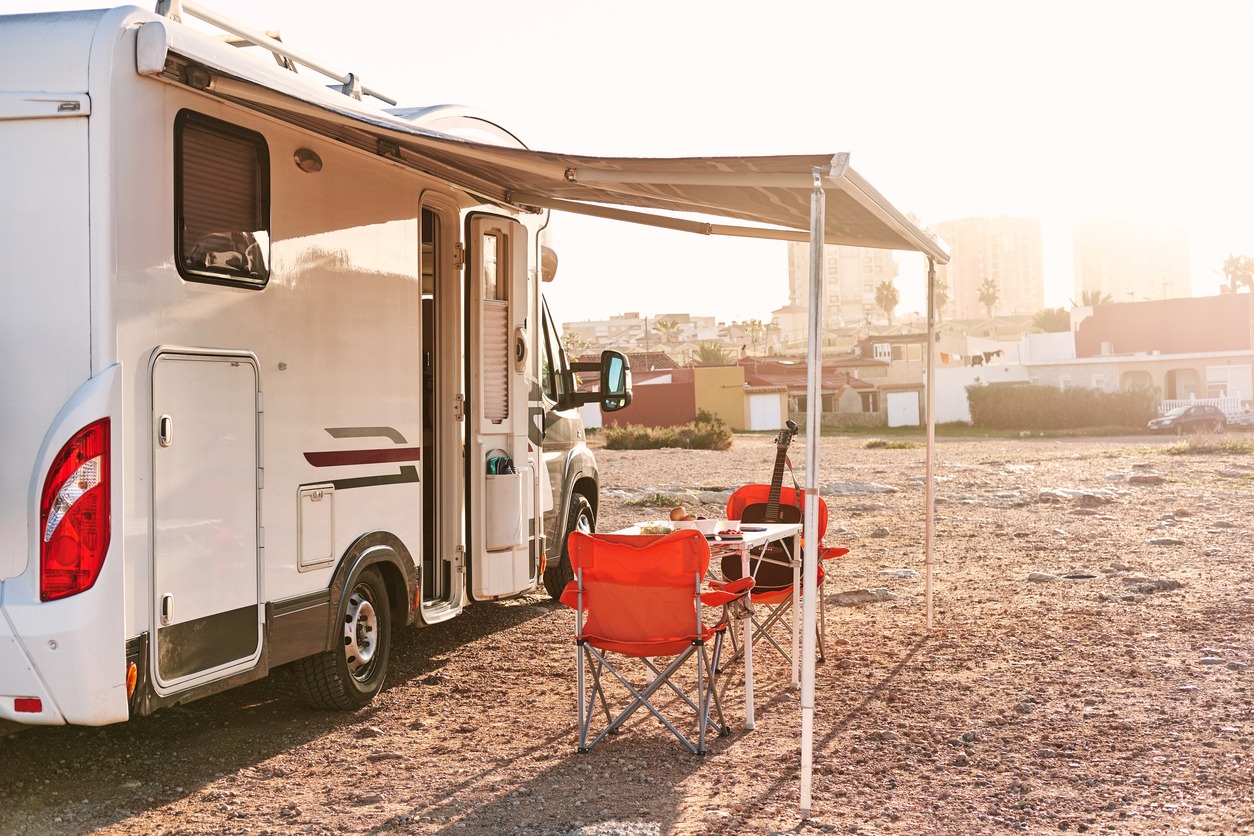
Caravans come in various configurations to suit diverse travel needs. Touring caravans are compact, towable units designed for flexibility. Typically accommodating 2–6 people, they’re ideal for short breaks and road trips. Static caravans, in contrast, are semi-permanent homes offering multiple rooms, heating systems, and full kitchens. Popular in holiday parks, they can sleep 6–8 people comfortably.
Other variants include folding caravans, which collapse for easy towing, and GRP (glass-reinforced plastic) caravans, which are lightweight and fuel-efficient. Meanwhile, motorhomes (or campervans) provide integrated mobility and self-sufficiency.
Luxury models from brands like Adria and Airstream now boast features such as climate control, panoramic glazing, and modular interiors, reflecting the sector’s emphasis on high-end living in compact spaces.
The New Demographics: Who’s Driving the Caravan Boom
Once viewed as the domain of retirees, caravanning is now popular with millennials and younger travelers seeking flexibility and digital connectivity. The rise of the gig economy and remote work has fueled demand for mobile homes that double as offices. Many new buyers opt for smart RVs, integrating voice assistants and IoT-enabled controls.
The rental market is also expanding. Younger users are drawn to short-term hires for festivals, nature getaways, or European road trips. Industry data shows the UK’s caravan sector growing at a projected 14.9% CAGR through 2030.
Multi-generational trips are now common, with caravans adapted to accommodate family members of all ages. This shift is reshaping campground infrastructure, with expanded amenities like communal kitchens, pet zones, and wellness facilities.
Authorized Sites vs. Wild Camping: Understanding Your Options
While caravanning offers unparalleled freedom, parking regulations vary widely across Europe. In the UK, the Caravan Sites and Control of Development Act 1960 mandates that caravanners stay at licensed parks or certificated sites unless granted specific landowner permission.
Certificated sites managed by The Caravan and Motorhome Club offer legal stays for up to five caravans and are ideal for rural or semi-private getaways. “5-acre rule” sites are another option for short stays, though they are subject to local regulations.
In most of England and Wales, wild camping is not permitted unless explicit landowner consent is obtained. Unauthorized camping can result in fines or forced removal. Countries like Scotland offer more relaxed rules, but travelers should always confirm national and regional legislation before setting up camp.
From Basic to Luxury: Modern Caravan Amenities
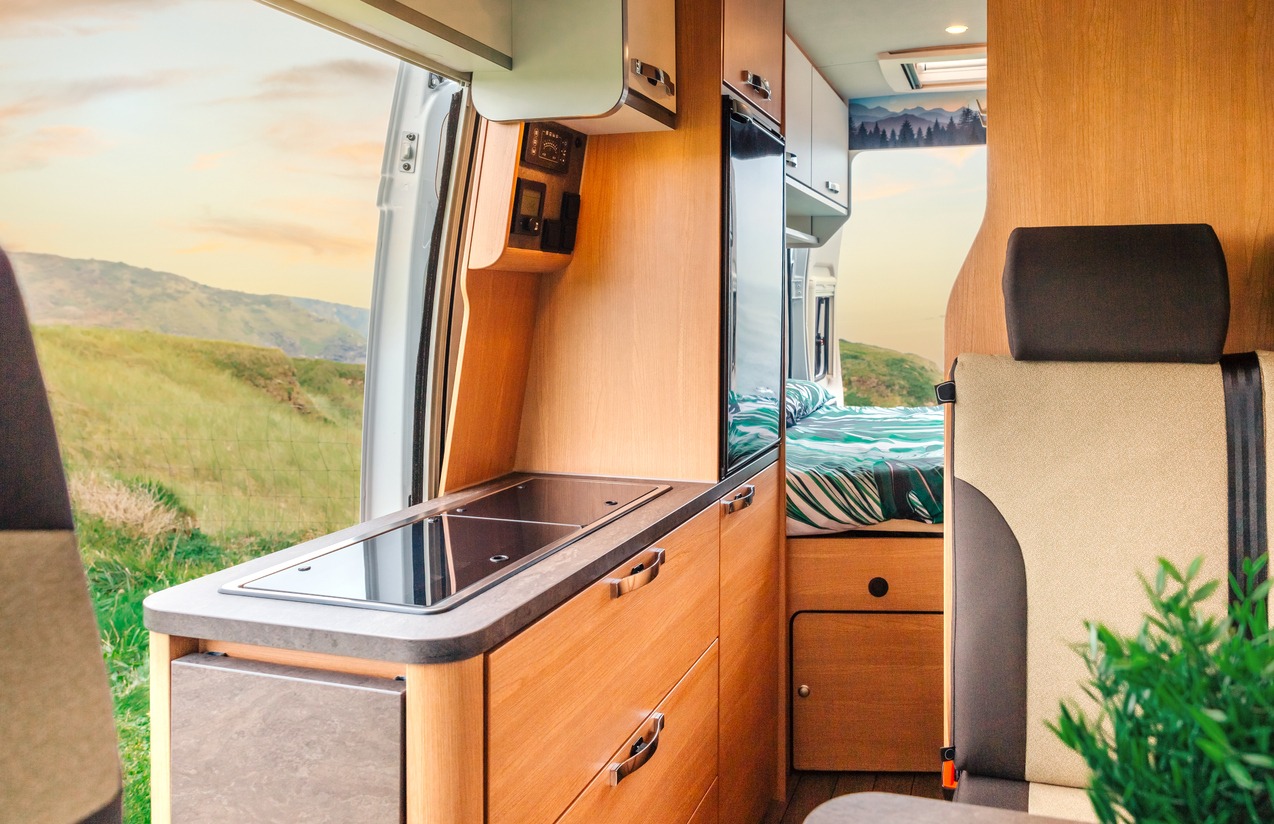
Gone are the days of cramped, uncomfortable caravan interiors. Modern models now feature fully-equipped kitchens, full-size bathrooms, and smart climate systems. High-end finishes like vinyl plank flooring, recessed lighting, and memory foam mattresses are standard in premium models.
Many caravans offer modular seating, slide-out extensions, and hidden storage compartments to maximize space. Entertainment systems range from flat-screen TVs with satellite connectivity to Bluetooth-enabled audio setups.
Eco-conscious innovations are also common. Sites like The Quiet Site in Cumbria use biomass heating and solar power to serve guests sustainably. These advancements ensure that today’s caravanners can enjoy a high standard of comfort, even off-grid.
The Financial Side: Costs, Value, and Investment Potential
Caravan ownership requires careful financial planning. Entry-level touring caravans may start under £20,000, while luxury models exceed £30,000. Ongoing expenses include insurance, site fees, maintenance, and storage. Pitch fees have surged in recent years—some rising by 40% over two years.
Depreciation is steep. A caravan purchased for £30,000 may retain only £5,000 in value within two years, depending on use and upkeep. Additionally, many caravan parks restrict subletting, reducing potential for rental income.
Still, for those prioritizing lifestyle over profit, the value lies in experiences rather than returns. Buyers are advised to review long-term maintenance costs, availability of spare parts, and resale potential before committing.
Planning Your First Caravan Adventure
Effective planning is key to a successful caravan journey. Ensure your vehicle can legally tow your chosen caravan and that both are professionally serviced. Route planning should include booking campsites at least six months ahead—especially in peak season.
Packing should focus on space-saving tools like vacuum-sealed clothing bags, collapsible cookware, and stackable storage. Safety must be paramount: check tire pressure, hitch connections, and fire safety equipment before departure.
If traveling in groups, set shared routines and maintain communication. And perhaps most importantly, build in time for spontaneity. Some of the most memorable moments occur when plans change and hidden gems are discovered off the beaten path.
Sustainability and the Future of Mobile Living
The caravanning industry is embracing sustainability as both a necessity and opportunity. Manufacturers are shifting toward lightweight, recyclable materials, and adopting solar and wind energy solutions for off-grid functionality.
Today’s caravans may include solar panels, lithium-ion battery systems, and greywater recycling. Modular construction allows damaged parts to be replaced instead of scrapping entire units. These innovations significantly reduce carbon footprints and align with broader climate goals.
With over 555,000 touring caravans currently in circulation in the UK alone, the sector has immense potential to model greener living. As younger generations enter the market, demand for eco-responsible mobile living is set to define caravanning’s future across Europe.