
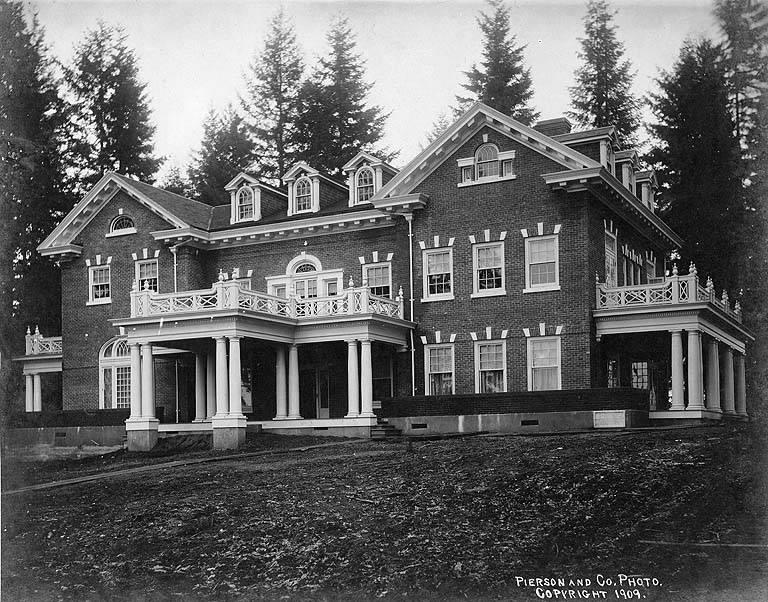
The Washington Governor’s Mansion is more than just the home of the state’s highest elected official. Behind its red-brick Georgian Revival façade lies a profound cultural repository that has grown over more than a century. The mansion not only preserves the architectural elegance of the early 20th century but also curates a diverse and historically rich collection of literary works, artifacts, and personal memorabilia donated or collected by Washington’s governors and their families.
This carefully maintained residence, operated by a dedicated nonprofit foundation, connects the public with Washington’s evolving identity through themed tours and exhibitions. From Native American manuscripts and statehood relics to vintage cookbooks and a hidden library, the Governor’s Mansion offers a unique glimpse into how heritage, leadership, and storytelling intersect in the state’s civic life.
Key Takeaways
- The Governor’s Mansion library features rare signed works, including one by Washington’s first governor, Elisha Ferry.
- The Native American manuscript Kopet Wau-Wau reflects indigenous linguistic and artisanal traditions.
- Historic cookbooks and menus preserve the legacy of culinary diplomacy through generations.
- The Mansion’s hidden library has served 17 governors, offering literary insight into political history.
- Built in 1908, it remains the oldest building on Washington’s capitol campus and a hub for cultural preservation.
The Literary Legacy: Rare Books and Signed Poetry Collections
Among the most prized pieces in the Mansion’s collection is a signed edition of Night-Thoughts on Life, Death, & Immortality by Edward Young, personally inscribed by Governor Elisha P. Ferry, the state’s first elected governor. Known for the line “Procrastination is the thief of time,” the book reflects Ferry’s introspective leanings and is emblematic of how early leaders engaged with literature as a source of philosophical guidance.
Housed in the mansion’s vintage library corner and displayed annually during National Library Month in April, the volume forms part of a growing literary legacy. Alongside it is Celebration: A Washington Cookbook, published in 1988 by longtime Mansion chef Kyle Denise Fulwiler, highlighting how food and storytelling merged in state hospitality. These works, curated with care, illustrate how governors have preserved not only laws and policies but also the cultural essence of the communities they serve.
Just as Ohio’s executive residence showcases regional culture through curated collections, Washington’s mansion uses literary artifacts to narrate the intellectual fabric of its leadership. These curated displays serve to inform, engage, and deepen the public’s understanding of civic identity.
Native American Treasures: The Story Behind *Kopet Wau-Wau
The mansion’s collection also includes Kopet Wau-Wau, a rare manuscript written in Chinook Jargon, a 19th-century trade language that bridged communication between Indigenous communities and settlers in the Pacific Northwest. Handcrafted by a Centralia artist in deerskin, the manuscript’s title translates to “Stop Talking,” symbolizing both humor and cultural commentary.
This one-of-a-kind artifact underscores the role of Native American languages in shaping early Washingtonian society. The preservation of such texts not only contributes to understanding linguistic history but also recognizes the complex relationships that defined the territory’s early years.
Displayed periodically alongside Native American art by Andy and Ruth Wilbur-Peterson, Kopet Wau-Wau exemplifies deliberate preservation and thoughtful inclusion of Indigenous heritage in Washington’s official narrative. It’s a reflection of the state’s effort to bridge historical gaps through cultural stewardship.
Culinary Chronicles: The Mansion’s Historic Cookbooks
Cookbooks held within the Governor’s Mansion are far more than recipe collections—they are cultural artifacts that document the state’s evolving identity through food. The most notable among them, Chef Fulwiler’s 1988 volume, was created during her 18-year tenure and focuses on Pacific Northwest ingredients. Her work helped shape a tradition of “culinary diplomacy,” wherein governors used local flavors to foster connection during formal entertaining.
These books offer insight into changing tastes, social customs, and the importance of hospitality in government. Menus served at the mansion have long reflected the political climate of their time—shifting from colonial-inspired feasts to contemporary celebrations of sustainable, multicultural cuisine.
The Governor’s Mansion Foundation ensures these cookbooks and menus are preserved, and they are occasionally highlighted during public tours. Like artifacts in a museum, each recipe tells a story of leadership, community, and the ceremonial function of food in state affairs.
Behind Closed Doors: The Hidden Library of 17 Governors
View this post on Instagram
Tucked behind the mansion’s more formal spaces lies a library curated by 17 governors, many of whom contributed books and personal memorabilia during their time in office. Though often described as “hidden,” this library is included in special public tours each April during National Library Month, offering a rare glimpse into the intellectual and aesthetic preferences of the state’s past leaders.
Inside, a Regency-period round rosewood table with brass inlay and a matching sofa invite quiet contemplation, surrounded by shelves of historic volumes. The coffered ceiling, both functional and decorative, enhances the room’s intimacy, providing acoustic dampening and visual richness.
This library forms a bridge between public service and personal reflection. Each volume and furnishing helps visitors understand the human side of governance—how literature, architecture, and quiet spaces supported decision-making at the highest level.
Statehood Souvenirs: Original Documents From Washington’s 1889 Admission
Among the mansion’s most revered holdings are original documents tied to Washington’s statehood in 1889. Though rarely on permanent display, these items—such as President Benjamin Harrison’s proclamation and the ratified state constitution—are presented during the mansion’s annual “Salute to Statehood” tours in November.
These documents tell the story of Washington’s path from territory to statehood. Visitors can trace the timeline from the Enabling Act in February 1889, through the Constitutional Convention that summer, to formal admission in November. Each artifact, from state seals to commemorative pens made of local materials, contributes to a deeper understanding of the state’s founding principles.
Their periodic public display allows residents to connect with Washington’s origins in a tangible, educational format, reinforcing the mansion’s role as both an executive residence and cultural archive.
Preservation in Progress: How the Mansion Foundation Safeguards History
Since its founding in 1972, the Governor’s Mansion Foundation has played a central role in preserving and interpreting the mansion’s heritage. Operated entirely by volunteers and supported through public donations and state appropriations, the foundation balances historical conservation with modern public engagement.
In 1973, a $600,000 investment by the Washington legislature modernized infrastructure while maintaining the building’s historic integrity. This included upgrades to HVAC systems, preservation of original furniture, and structural restoration of period features like the mahogany buffets selected by Elizabeth Hay, wife of Governor John Hay.
Today, the foundation organizes seasonal events, rotating exhibits, and exclusive tours with strict capacity limits. Guests can support its work through $50 annual memberships, which offer newsletters and restoration updates. Thanks to this careful stewardship, the mansion continues to evolve while maintaining its role as a living museum.
The Oldest Building on Campus: Architectural Heritage Since 1908
Constructed in 1908 and completed in under six months, the Washington Governor’s Mansion stands as the oldest structure on the Capitol Campus in Olympia. Designed by Tacoma-based architects Russell and Babcock, the mansion reflects the Georgian Revival style, characterized by its red-brick exterior, balanced symmetry, and refined classical detailing.
The building occupies land donated by Edmund Sylvester, one of Olympia’s founders, and includes a cornerstone crafted from Washington marble. Laid during a Masonic Grand Lodge ceremony on August 1, 1908, the stone contains sealed artifacts that link the structure to Washington’s territorial roots.
Though frequently modernized to meet evolving needs, the mansion’s architectural essence remains intact—offering a sense of timeless elegance that has served as the backdrop for more than a century of governance and hospitality.
A Taste of Governance: Five Administrations Through Their Menus
Menus from various gubernatorial administrations serve as edible historical records, reflecting shifting political moods, culinary trends, and regional pride. During Governor Marion Hay’s tenure (1909–1913), menus leaned on colonial-era formality, featuring locally sourced produce and structured multi-course meals.
Mid-20th-century dinners showcased post-war American fare, while more recent administrations have embraced farm-to-table ideals that highlight multicultural and sustainable ingredients. These menus illustrate the evolution of state identity through food—culinary diplomacy in its most literal form.
Just as Virginia’s Executive Mansion has long used cuisine to foster relationships, Washington’s leaders have employed food to engage guests and represent their vision for the state. The Mansion’s kitchen has thus become a silent partner in civic storytelling.
Planning Your Visit: Special Tours and Rotating Exhibitions
The Governor’s Mansion has offered guided tours to the public since 1909, balancing access with its role as an executive residence. Tours are held most Wednesdays between 10:30 a.m. and noon, and reservations must be made at least 24 hours in advance through the Foundation’s website.
In addition to standard tours, themed experiences occur throughout the year. The April library-focused tours and November statehood exhibitions provide rare access to otherwise restricted rooms and collections. Occasional special programs, such as the “Mysteries of the Mansion” or anniversary events, further enrich the visitor experience.
Tours are limited to 25–30 guests, ensuring a personalized atmosphere where docents offer detailed narratives. Through these intimate events, visitors gain insight into both the grandeur and subtle charm of the mansion’s enduring legacy.
Where Pages, Palates, and Politics Intertwine
Washington’s Governor’s Mansion is far more than a stately home—it is a cultural archive, a culinary laboratory, and a literary sanctuary. Through curated artifacts, rare documents, and evocative furnishings, it invites the public to explore the diverse legacies of leadership that have shaped the Evergreen State. Whether visiting during a themed tour or reading about its hidden treasures, one thing is certain: the mansion tells Washington’s story not just in bricks, but in books, menus, and memory.