

Kickstart your home renovation with savvy waste management. Size up your project, picture the debris and get the right-sized skip bin, from 3m3 to 15m3. Sort your waste – recyclable, green, hazardous. It’s not just tossing; it’s respecting the planet. Color-code your bins for a no-brainer segregation. Place them smart, making dumping a breeze. Recycling? Yes, please.
Metals, plastics, even floorboards can find new life. Keep hazardous stuff apart, safety first. And when it’s time, position that skip bin smartly, no hassle. Simplify the chaos, boost efficiency, and embrace sustainability. Curious about making your renovation cleaner and greener? There’s more to uncover.
Choosing the Right Skip Bin Size

Selecting the right skip bin size is key to streamlining your home renovation, preventing waste overflow, and dodging unnecessary costs. Start by sizing up your project’s scope; this initial step isn’t just about eyeballing the debris—it’s about essential, savvy waste volume estimation. Imagine the heaps of rubble, twists of metal, chunks of plaster, and how they’ll pile up. This foresight is important for efficient waste management.
Franklin Skip Bins LTD. lays out a buffet of skip bin sizes, from the compact 3m3, perfect for those smaller clear-outs, up to the hefty 15m3, designed for the grand scale guttings. But how do you pinpoint the one that’ll suit your renovation project needs like a glove? It’s not just about picking a size; it’s about matching capacity to clutter.
Here’s where the art of skip bin provider consultation comes into play. Engage in a conversation with Franklin Skip Bins LTD., where their experts can guide you through selecting the perfect fit. They’ll factor in your detailed description, ensuring the bin you choose aligns seamlessly with your renovation’s rhythm and scale. This partnership paves the way for a renovation wrapped up as neatly as your plans were laid out.
Efficient Waste Segregation Strategies
Now, let’s tackle how you can master waste segregation during your home renovation. First, you’ll need to pinpoint the types of waste you’re dealing with, then smartly position your segregation bins to streamline the process. Finally, understanding your recycling and disposal options will not only clear your space but also protect our planet.
Identifying Waste Types
Understanding how to categorize your waste, from green waste to renovation materials, is the first step towards efficient waste management during home renovations. Efficient waste segregation means knowing what goes where; it’s about differentiating between what can be recycled and what’s headed for landfill. By identifying recyclable materials, you’re not just tossing things away; you’re contributing to a greener planet.
It’s essential to keep hazardous waste in its own league, ensuring it doesn’t mix with the innocuous. Organizing your waste into specific types for skip bins isn’t just about cleanliness; it’s about making efficient disposal second nature. This systematic approach streamlines the process, turning what could be a chaotic mess into a well-orchestrated effort in sustainability.
Segregation Bins Placement

To streamline your renovation cleanup, strategically place color-coded segregation bins throughout the site, guaranteeing waste sorting becomes a breeze. With convenient access to these bins, you’re setting the stage for a seamlessly organized workspace. Here’s how to make it pop:
- Color-code your bins for instant recognition—no guesswork needed.
- Distribute them to avoid trekking across the site; keep them within arm’s reach.
- Educate your crew; a quick rundown on what goes where can save hours.
- Regular checks prevent overflow, keeping your site tidy and navigable.
- Accessibility is key; make sure there’s a clear path to each bin.
Recycling and Disposal Options
Plunge into the heart of eco-friendly renovation by mastering the art of recycling and disposal, where every piece of waste finds its rightful place. With proper waste segregation, you’ll categorize materials into recyclable, green waste, and renovation waste, making it easier to manage. Use skip bins designated for specific waste types to streamline the process. Recycling options are vast; from separating metals, plastics, to paper, you’ll contribute greatly to environmental sustainability.
Don’t overlook the potential to donate usable items to charities or recycle construction materials, minimizing landfill waste. Efficient waste segregation isn’t just a practice; it’s a dedication to a healthier planet. By adopting these strategies, your renovation project becomes a proof of eco-conscious living.
Handling Hazardous Renovation Materials
When tackling home renovations, you must separate hazardous substances like asbestos and old paint from your general waste pile. Handling hazardous renovation materials demands careful attention to waste disposal practices, ensuring your project aligns with responsible waste management. It’s not just about tossing everything into a skip bin; it’s about recognizing which items pose a risk and dealing with them appropriately.
Here’s a quick guide to manage hazardous materials:
- Seek Guidance: Consult with your local council or specialized waste disposal services for advice on handling hazardous materials.
- Store Separately: Keep hazardous materials like asbestos, paint, and LPG gas bottles away from general waste to prevent contamination.
- Avoid Skip Bins for Restricted Items: Tires and hardfill should not go into skip bins. Find proper disposal methods for these.
- Follow Local Regulations: Adhere to local laws and regulations regarding the disposal of hazardous renovation materials.
- Safety First: Prioritize safety and environmental protection by segregating and disposing of hazardous materials correctly.
Sustainable Waste Management Practices
As you sort through the debris of your home renovation, consider the impact of eco-friendly disposal options. Recycling construction materials not only clears the clutter but breathes new life into what was once considered waste. By choosing these sustainable practices, you’re not just tidying up; you’re contributing to a greener planet.
Eco-Friendly Disposal Options
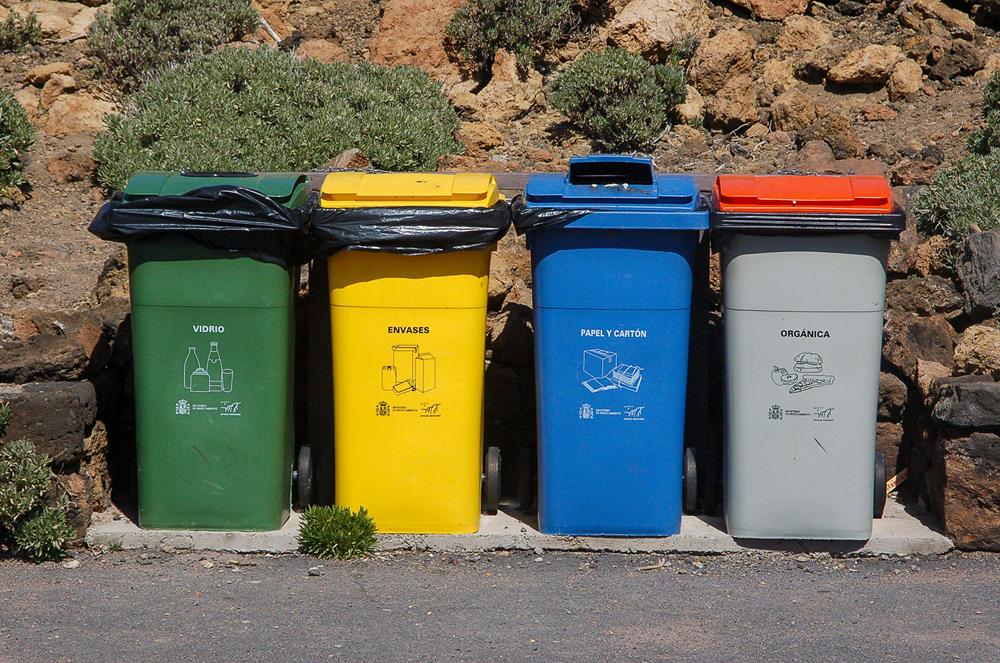
Frequently overlooked, embracing eco-friendly disposal options greatly shapes a sustainable future during home renovations. When you engage in your next home renovation project, consider the pivotal role of waste management. Employing skip bins becomes not only about disposal, but about making environmentally friendly choices. Here’s how you can play your part:
- Reuse materials like floorboards and bricks to minimize waste.
- Donate usable items to local charities, reducing landfill contribution.
- Partner with responsible skip bin providers like WasteSure for eco-conscious disposal.
- Embrace recycling to conserve resources and cut down on waste.
- As an empty nester, prioritize sustainable living by focusing on proper waste management and recycling.
Incorporating these practices ensures your renovation doesn’t just enhance your space but also contributes to a healthier planet.
Recycling Construction Materials
Diving into the heart of sustainable renovations, you’ll find recycling construction materials not only cuts landfill waste but also treasures our planet’s resources. It’s your green blueprint for a brighter future.
| Action | Benefit | How |
|---|---|---|
| Reusing | Conserves resources | Floorboards, bricks |
| Donating | Supports community | Give to charities |
| Recycling | Reduces carbon footprint | Use skip bins wisely |
| Implementing | Promotes sustainability | Adopt waste management |
| Minimizing | Saves the planet | Less new materials needed |
In your journey of home renovations, skip bins become your ally in sustainability. By opting for recycling construction materials, you’re not just tidying up; you’re leading a waste management revolution. It’s a sign of your commitment to a greener environment, transforming debris into development, one skip bin at a time.
Preparing for Skip Bin Delivery

Prior to the arrival of your skip bin, make sure you’ve chosen a spot on your property that’s both accessible and free from obstacles. Selecting the perfect location for skip bin placement is important for a smooth delivery process. You’ll want to make sure the spot is not only convenient but also adheres to any specific requirements your council might have regarding permits. Here’s a quick checklist to breeze through the preparations:
- Clear the area: Remove any debris or obstacles that could hinder the skip bin delivery.
- Check for permits: Touch base with your local council to see if you need any council permits for skip bin placement.
- Communicate with the provider: Provide any specific instructions or requirements to make sure the delivery process is seamless.
- Pick a level spot: Ensure the selected area is level and stable to prevent the bin from tipping over.
- Accessibility is key: Make sure the location is easily accessible for both delivery and removal.
Getting these ducks in a row before the skip bin lands on your doorstep will make your renovation cleanup as smooth as silk.
Skip Bin Advantages for Renovations
Skip bins often streamline the chaos of home renovations, ensuring your project remains orderly and on track. Imagine the relief of tossing debris into a single, designated spot, rather than piling it haphazardly around your yard. With an array of skip bin sizes available, you can tailor your waste management plan to the exact scale of your renovation, large or small. No more, no less.
As you tear down and rebuild, skip bins stand as silent sentinels, keeping your workspace clutter-free and safe. This isn’t just about neatness; it’s about efficiency. With clear ground, you and your crew can move freely, reducing the risk of accidents and speeding up the renovation process. But the benefits don’t stop at your doorstep. By choosing skip bins, you’re also tipping your hat to environmental sustainability.
Local waste removal services make this process simple when they deliver the right container directly to your property. You can work with a local team like https://tcbayareadisposal.com/ to handle all your construction debris and cleanout needs. They drop off the roll-off dumpster and haul it away when you are done. This keeps your focus on the actual building work so you do not have to worry about trips to the landfill.
Conclusion
Concluding, you’ve mastered the art of tidying up your renovation chaos. Choosing the ideal skip bin size, you’ve avoided overflow headaches. With clever segregation, hazardous handling, and eco-friendly disposal, your project’s impact is lighter. Preparing for delivery, you’ve secured a smooth operation. Skip bins, your renovation ally, make waste management a breeze, proving essential. So, immerse yourself, organize with style, and watch your renovation dreams materialize, mess-free. Here’s to creating spaces that shine, sustainably.