

The evolution of modern plumbing is a testament to human innovation and the quest for enhanced quality of life. From ancient civilizations to contemporary cities, the development of plumbing systems reflects a series of groundbreaking advances in science and engineering.
| Period/Date | Milestone |
|---|---|
| c. 2500 BCE | Advanced underground drainage and sewage systems in the Indus Valley Civilization at Mohenjo-Daro and Harappa, featuring brick-lined household drains connected to public sewers |
| 312 BCE | Construction of the Aqua Appia, Rome’s first aqueduct, marking a major advance in urban water supply and engineering :contentReference[oaicite:1]{index=1}. |
| 1815 CE | Legalization of private connections to London’s sewers, authorizing households and businesses to link directly to sewer mains and stimulating sewerage infrastructure development |
| 1854 CE | John Snow’s Broad Street cholera investigation links disease transmission to contaminated water, catalyzing modern epidemiology and public-health-driven water sanitation improvements |
| 1889 CE | Edwin Ruud patents the first automatic storage tank-type gas water heater, laying groundwork for future tankless water heating systems |
| 1928 CE | Publication of the first “Standard Plumbing Code” by the Standard Sanitary Manufacturing Company (later American Standard), establishing uniform installation and safety guidelines |
| 1964 CE | Founding of the American Society of Plumbing Engineers (ASPE), professionalizing plumbing engineering and fostering knowledge exchange |
| 1980 CE | Introduction of the world’s first dual-flush toilet by Caroma, offering selectable flush volumes to conserve water . |
| 1980s–1990s CE | Widespread adoption of PEX (cross-linked polyethylene) piping for its flexibility, corrosion resistance, and ease of installation |
| 1992 CE | Energy Policy Act mandates water-efficiency standards for toilets, faucets, and showerheads in the U.S., spurring development of low-flow fixtures |
| 2020s CE | Commercial launch of smart home water monitoring and leak-detection devices (e.g., Phyn Smart Water Sensor, Flo Smart Water Monitor), integrating IoT and real-time alerts to prevent water damage |
Be sure to check out the very interesting and unique Sulabh International Museum of Toilets.
Historical Plumbing Methods
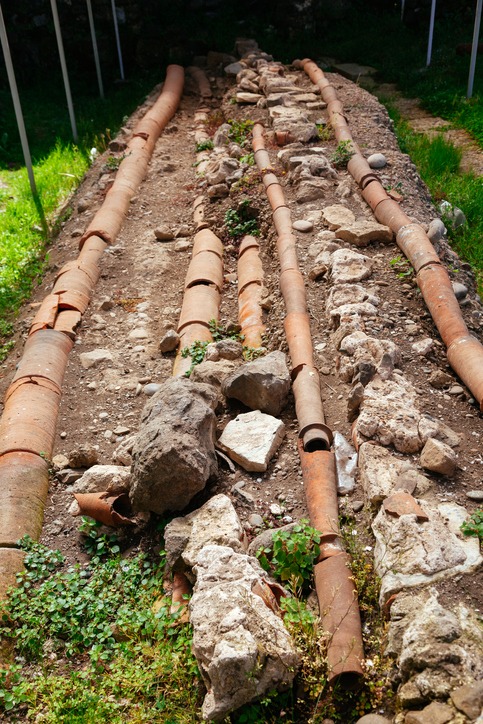
The genesis of modern plumbing can be traced back to nearly the dawn of cities, where the foundations for today’s systems were laid. Among the earliest examples, the Indus Valley Civilization (around 2500 BCE) showcased advanced drainage and sewage systems. However, it was the Roman Empire that significantly advanced plumbing technology, introducing aqueducts to transport water from distant sources into cities and public bathhouses around 312 BCE.
The Romans were pioneers in using lead pipes for water distribution, a practice that, while innovative, later proved to have serious health implications due to lead poisoning.
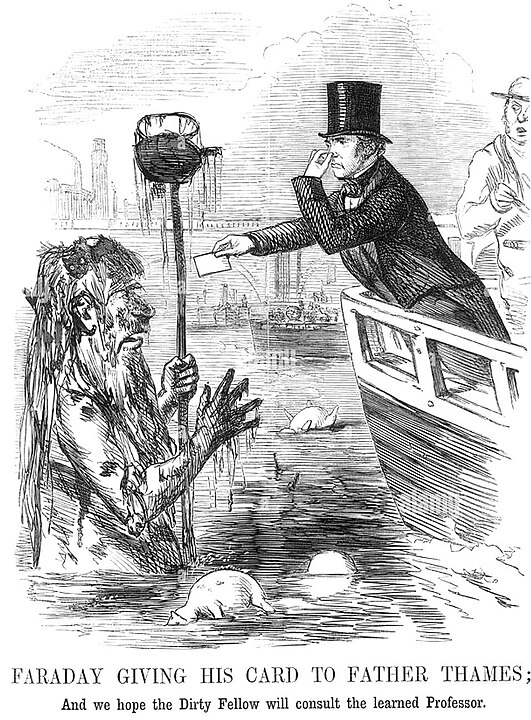
The Dark Ages saw a decline in plumbing advancements as many of the Roman practices were abandoned. However, the tide began to turn with the Enlightenment and Industrial Revolution. In London in 1815, the first public water main was installed by the Chelsea Water Company, marking a new era of water supply systems. The pivotal moment came in 1854 when Dr. John Snow discovered a link between cholera outbreaks and contaminated water, leading to significant improvements in water treatment and sewage systems.
The First Plumbing Codes
The evolution of modern plumbing took a significant leap forward with the establishment of the first plumbing codes, marking a milestone in the industry’s history. The introduction of these codes was a response to the increasing need for standardized practices and regulations to ensure the health and safety of the public. One of the earliest known plumbing codes was developed in the United States in the late 19th and early 20th centuries amidst growing concerns over sanitation and the spread of diseases.
The National Board of Health, established in 1879, played a key role in this development. However, it was the “Standard Sanitary Manufacturing Company” (now known as American Standard) that published the “Standard Plumbing Code” in 1928. This code aimed to address the lack of uniformity in plumbing systems across different states and cities, setting guidelines for installation and maintenance to protect public health.
Another pivotal moment in the evolution of modern plumbing was the creation of the American Society of Plumbing Engineers (ASPE) in 1964. The ASPE further professionalized plumbing engineering, providing a platform for sharing knowledge, research, and advancements in plumbing design and technology.
Modern Plumbing in the 20th Century
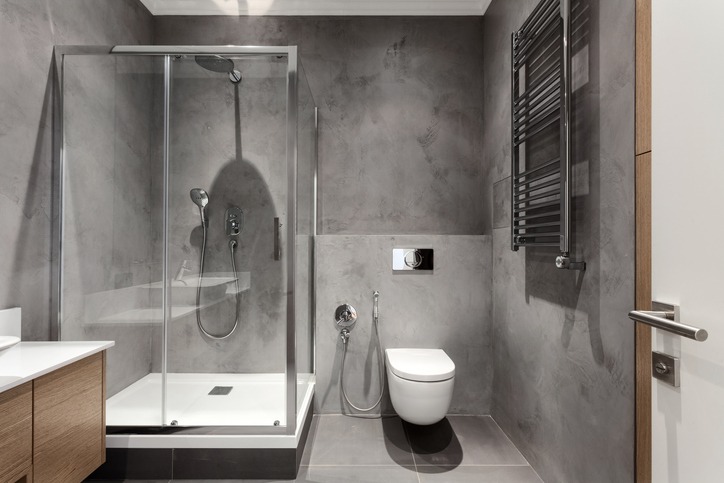
The evolution of modern plumbing experienced significant advancements after the 1960s, marked by technological innovations and a growing emphasis on sustainability and water conservation. The latter part of the 20th century saw the introduction of low-flow toilets and shower heads, responding to the environmental movement’s call for resource conservation. In 1992, the United States passed the Energy Policy Act, which mandated the use of fixtures that consumed less water, significantly impacting plumbing design and manufacturing.
During this era, plumbing technology also benefited from the digital revolution. The development of sophisticated sensor technologies led to the creation of “smart” plumbing systems capable of detecting leaks, monitoring water usage, and even predicting system failures before they occur. These innovations not only improved efficiency and convenience but also played a crucial role in water conservation efforts.
The introduction of PEX piping in the late 20th century represented another major advancement in plumbing. Its flexibility, resistance to scale and chlorine, and ease of installation made it a popular alternative to traditional copper piping. This period also saw the rise of tankless water heaters, which offered energy savings by heating water on demand rather than maintaining a reservoir of hot water.
21st Century Modern Plumbing

The 21st century has seen remarkable advancements in the field of modern plumbing, with innovation and sustainability at the forefront. As environmental awareness has grown, so too has the focus on developing plumbing solutions that conserve water, reduce energy use, and embrace smart technology.
One of the defining trends of this era is the integration of smart home technology with plumbing systems. Smart toilets, faucets, and shower heads equipped with sensors can now regulate water flow, detect leaks, and even monitor water quality in real time, offering unprecedented control over water usage and conservation. Products like the touchless faucets introduced widely in the early 2000s have not only enhanced hygiene but also contributed to water savings by minimizing waste.
The advent of more efficient water heaters, including tankless or on-demand models, has also been a game changer. These systems provide hot water only as it is needed, reducing energy consumption and offering a greener alternative to traditional water heaters.
The 21st century has seen the proliferation of low-flow and dual-flush toilets. These innovations use significantly less water per flush compared to their predecessors, with dual-flush models offering different levels of water use depending on the type of waste. Legislation in many parts of the world now requires the installation of these more efficient fixtures in new buildings, further emphasizing the global push towards sustainability.
Conclusion
The evolution of modern plumbing is a testament to human ingenuity and the relentless pursuit of improving living conditions. Each advancement, whether it was the introduction of standardized plumbing codes, the shift towards sustainable materials, or the adoption of smart technology, has contributed to making plumbing systems more efficient, accessible, and environmentally responsible.