

Every historic home is more than bricks and mortar—it’s a living chronicle of the people, passions, and pivotal moments that have shaped America. Tucked away in bustling cities, settled along tranquil riverbanks, or perched atop rolling hills, these residences span centuries of design innovation and social change. From the rugged simplicity of early colonial cottages to the grandiose flourishes of Gilded Age palaces, each structure tells a unique story about its era’s technology, artistry, and values.
As you journey through this guide, you’ll encounter homes born of very different ambitions: some erected as statements of wealth and power, others crafted as laboratories of artistic experimentation, still more conceived as sanctuaries of literary inspiration or civic duty. You’ll trace the evolution of architectural styles—from First Period timber frames and Palladian symmetry, through Victorian whimsy and Mediterranean splendor, to the pioneering use of new materials and construction techniques. Along the way, you’ll meet the visionaries who commissioned, designed, and preserved these landmarks, from Founding Fathers to industrial magnates to passionate patrons of the arts.
Whether you’re an architecture aficionado, a history buff, or simply an adventurous traveler, this tour promises a deeper appreciation for the diverse tapestry of American heritage. Each entry includes not only the home’s architectural highlights and historical significance but also the personal stories and cultural currents that gave it life. Prepare to explore 16 of the nation’s most iconic houses—where every turret, gable, and hearth reveals a chapter in the unfolding saga of the United States.
1. Fonthill Castle
Fonthill Castle stands as a whimsical yet robust testament to the ingenuity and eclectic spirit of its creator, Henry Chapman Mercer. Combining medieval design elements with early modern materials, the home is a concrete chronicle of American arts and crafts.
Location: Doylestown, Pennsylvania
Built: 1908–1912
Style: Early Modern / Medieval Revival
Significance: Built by Henry Chapman Mercer using poured reinforced concrete, Fonthill Castle has 44 rooms and over 200 windows. It reflects Mercer’s passion for tiles, history, and preservation.
2. Castle Hill on the Crane Estate
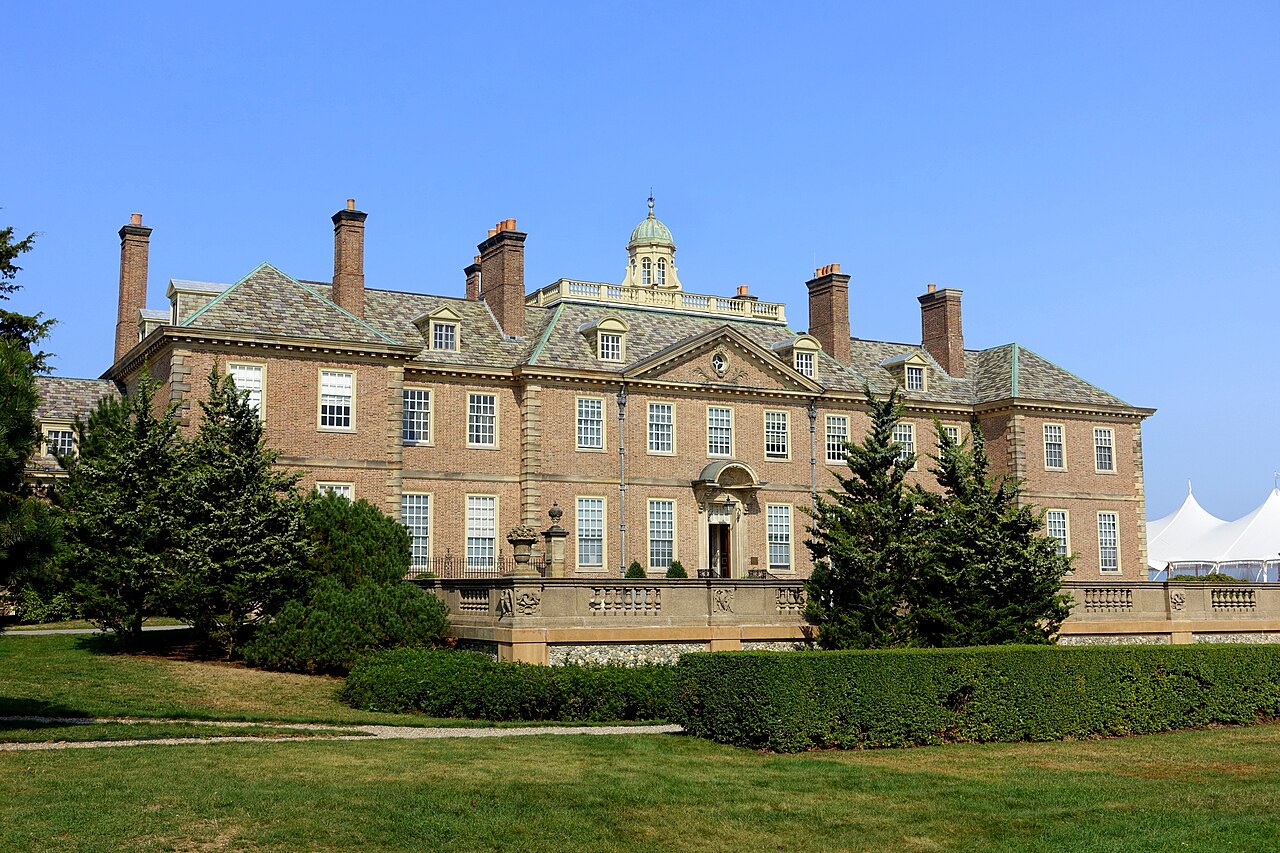
Overlooking the Atlantic coast, Castle Hill on the Crane Estate is a majestic example of how America’s elite turned the landscape into a playground of elegance and style during the early 1900s.
Location: Ipswich, Massachusetts
Built: Early 20th century
Style: American Country Palace / Classical Revival
Significance: A stunning example of Gilded Age extravagance, this seaside mansion represents the era’s opulence and upper-class lifestyle.
3. Beauport (Sleeper-McCann House)
View this post on Instagram
Beauport is a captivating mosaic of color, texture, and personal vision, created by one of America’s first professional interior designers. It’s a tour through a carefully curated vision of American history.
Location: Gloucester, Massachusetts
Built: Early 1900s
Style: Shingle Style
Significance: The residence of interior designer Henry Davis Sleeper, this house is a masterpiece of decorative arts and historic Americana.
4. Monticello
Monticello is more than a residence—it’s a philosophical blueprint in brick and mortar. Designed by Thomas Jefferson, it reflects the mind of a Founding Father deeply rooted in classical thought and innovation.
Location: Charlottesville, Virginia
Built: 1772
Style: Neoclassical / Palladian
Significance: Designed by Thomas Jefferson, this iconic plantation house embodies Enlightenment ideals and architectural elegance.
5. The Witch House (Jonathan Corwin House)
View this post on Instagram
The Witch House offers a rare and eerie window into Puritan life and judicial history. Its heavy timbers and dark interiors echo the fear and superstition of colonial New England.
Location: Salem, Massachusetts
Built: 1675
Style: First Period Colonial
Significance: Home of Judge Jonathan Corwin, this is the only building still standing in Salem with direct ties to the Witch Trials of 1692.
6. Marjorie Kinnan Rawlings House
View this post on Instagram
Nestled amid the natural beauty of rural Florida, Marjorie Kinnan Rawlings’ home remains a literary landmark, celebrating both a beloved author and the rustic charm of the American South.
Location: Cross Creek, Florida
Built: Early 20th century
Style: Florida Cracker
Significance: The Pulitzer Prize-winning author of The Yearling lived here for 25 years. It’s now a state historic site.
7. Ca’ d’Zan (John and Mable Ringling Mansion)
View this post on Instagram
Ca’ d’Zan is a kaleidoscope of grandeur and imagination, capturing the lavish tastes and globe-trotting experiences of one of America’s most eccentric millionaires.
Location: Sarasota, Florida
Built: 1924–1925
Style: Venetian Gothic / Mediterranean Revival
Significance: Modeled after Italian palazzos, this lavish home cost over a million dollars and was the winter retreat of circus magnate John Ringling.
8. House of the Seven Gables
View this post on Instagram
Evocative and storied, the House of the Seven Gables brings to life the tales and mystique of Salem’s colonial past, immortalized by Nathaniel Hawthorne’s pen.
Location: Salem, Massachusetts
Built: 1668
Style: Colonial
Significance: Birthplace of author Nathaniel Hawthorne and inspiration for his novel of the same name. A key heritage site.
9. Point of Honor
Point of Honor combines stately architecture with a medical legacy, offering visitors a glance into the genteel yet complex world of early Virginia society.
Location: Lynchburg, Virginia
Built: 1806–1816
Style: Federal
Significance: Built by Dr. George Cabell, friend of Thomas Jefferson. The home reflects early 19th-century Southern elegance.
10. Olana State Historic Site
View this post on Instagram
Olana is a visual and spiritual escape, crafted by one of America’s greatest landscape painters. The estate merges art and environment into a breathtaking masterpiece.
Location: Hudson, New York
Built: 1872
Style: Eclectic (Persian + Victorian)
Significance: Designed by painter Frederic Edwin Church, the home integrates landscape art and architecture in visionary harmony.
11. Naumkeag
With its flowing lines and whimsical gardens, Naumkeag is a living fairytale of Victorian affluence and American horticultural excellence.
Location: Stockbridge, Massachusetts
Built: 1886
Style: Queen Anne
Significance: Designed for Joseph Hodges Choate, the estate features extraordinary gardens and the famous “Blue Steps.”
12. Lyndhurst Mansion
Lyndhurst is a romantic Gothic fantasy cast in stone, capturing the industrial might and aesthetic aspirations of 19th-century America.
Location: Tarrytown, New York
Built: 1838
Style: Gothic Revival
Significance: Former home of railroad tycoon Jay Gould; now a museum featuring high Victorian architecture and landscape.
13. Hildene

Hildene is a stately tribute to legacy and lineage, housing the values and refinement of the Lincoln family within its Georgian halls.
Location: Manchester, Vermont
Built: 1905
Style: Georgian Revival
Significance: The Lincoln family summer home, built by Robert Todd Lincoln. Features a 1,000-pipe Aeolian organ.
14. Hearst Castle (La Cuesta Encantada)
A monument to ambition and spectacle, Hearst Castle stands atop the California coast as a surreal blend of art, wealth, and architectural fantasy.
Location: San Simeon, California
Built: 1919–1947
Style: Mediterranean Revival / Spanish Colonial
Significance: Designed by Julia Morgan for media tycoon William Randolph Hearst. Encompasses 60,000+ sq ft of opulence.
15. Biltmore Estate
Biltmore is the grand jewel of American estates—part castle, part palace, and wholly unmatched in scale and detail.
Location: Asheville, North Carolina
Built: 1889–1895
Style: Châteauesque
Significance: America’s largest privately-owned home, built by George Washington Vanderbilt II, with 250 rooms and extensive gardens.
16. The Breakers
View this post on Instagram
The Breakers is the architectural equivalent of a symphony—grand, luxurious, and composed to dazzle the senses and define an era.
Location: Newport, Rhode Island
Built: 1893–1895
Style: Italian Renaissance Revival
Significance: A Vanderbilt family summer home designed by Richard Morris Hunt. Embodies the height of Gilded Age extravagance.