

Across the United States, governor’s mansions serve as both living spaces for state leaders and tangible links to the nation’s architectural heritage. These residences embody styles ranging from Greek Revival to Second Empire and Beaux-Arts, telling stories of regional culture, political evolution, and craftsmanship.
Today, these historic homes must meet modern expectations. Balancing preservation with contemporary standards means blending authentic 19th-century character with 21st-century needs. From accessibility upgrades to energy-efficient systems, renovations allow these homes to function as living history while accommodating the daily responsibilities of a governor’s residence.
Key Takeaways
-
Governor’s mansions are historic residences balancing preservation with modern functionality.
-
Historic Structure Reports guide restoration, informing material and design choices.
-
Public-private funding and dedicated foundations often sustain complex preservation projects.
-
Accessibility and modernization integrate HVAC, safety systems, and ADA features without harming historic integrity.
-
Educational programs and tours connect the public to the history and ongoing preservation of these landmarks.
The Historical Context and Cultural Significance of Governor’s Mansions
Governor’s mansions rank among the most historically significant residences in the United States. Virginia’s Executive Mansion, occupied since 1813, is the nation’s oldest continuously used governor’s home, while the Texas Governor’s Mansion (1856) holds the distinction west of the Mississippi River. Mansions such as Missouri’s Second Empire–style home reflect the opulence and architectural trends of their eras, with features like mansard roofs and formal parlors designed for ceremonial use.
These structures often witnessed important chapters in state and national history. Georgia’s Old Governor’s Mansion in Milledgeville, for example, reflects antebellum architecture and post-Civil War shifts, including the state government’s relocation to Atlanta. Beyond aesthetic appeal, these homes provide insight into the political and social landscapes of their time, functioning as both domestic spaces and symbols of state identity.
Research-Based Restoration: Uncovering the Past
Before any major renovation, Historic Structure Reports provide the blueprint for authentic restoration. These detailed studies document a mansion’s evolution, structural integrity, and material history, guiding teams in making decisions that preserve original character.
Material reuse and salvage are key strategies. Original brick, plaster, and woodwork are often repaired or reinstalled, maintaining the building’s authenticity while minimizing waste. Projects frequently uncover historical surprises, from decorative woodwork to hand-painted wall finishes, which inform accurate restorations.
Case studies like the Sacramento Governor’s Mansion (1877) demonstrate the complexity of preserving Italianate features while integrating modern systems. Likewise, Minnesota’s Summit Avenue residence highlights the cost and scale of replacing outdated infrastructure while maintaining historic detail.
Funding Strategies for Major Preservation Projects
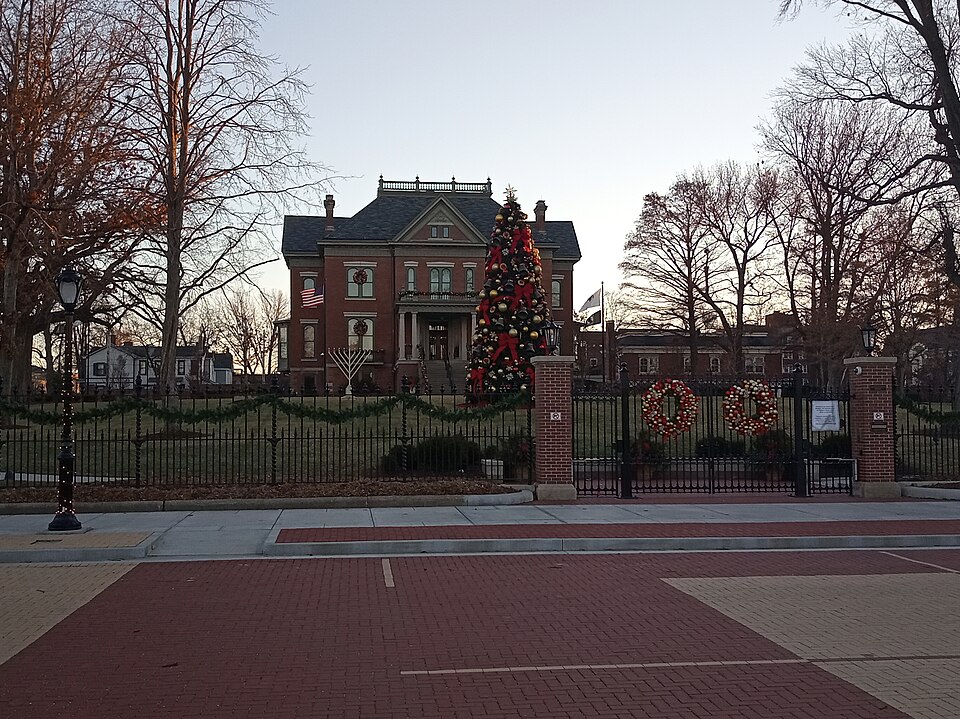
Large-scale renovations rely on multi-source funding that blends public and private support. Dedicated nonprofit foundations frequently manage donations and coordinate with state historic preservation offices to secure grants and federal resources.
Private contributions often play an outsized role. The Illinois Governor’s Mansion restoration (2013–2018) successfully raised $15 million in private funding to modernize and preserve the home. In other states, such as Colorado, campaigns illustrate the difficulty of reaching ambitious funding goals without long-term donor cultivation.
Transparent management, community engagement, and multi-year fundraising plans remain critical to sustaining these preservation efforts. Successful strategies involve hosting tours, galas, and public programs that both raise funds and deepen public connection to the property.
Modernizing Without Compromising: Technical Challenges
Integrating modern functionality into historic spaces requires careful planning to avoid damaging architectural integrity. Upgrading electrical, plumbing, and HVAC systems must be done with minimal intrusion into historic walls, ceilings, and finishes.
Lead paint abatement and roofing restoration require specialized techniques, as seen in the Texas Governor’s Mansion renovation after the 2008 arson fire. Preservationists often employ wet sanding and controlled containment methods to protect both workers and original materials.
Training skilled teams in historic preservation practices is essential to achieving authenticity. Every intervention, from a discreet duct to a restored window frame, ensures these homes remain both safe and historically accurate for daily use and ceremonial functions.
Accessibility and Safety in Historic Structures

Modern standards demand that historic residences remain accessible and secure without losing their character. Integrating ADA-compliant ramps, elevators, and accessible restrooms often requires creative, context-sensitive design.
Fire safety systems, discreetly installed sprinklers, and emergency plans protect residents and irreplaceable artifacts. The Texas Governor’s Mansion restoration demonstrates how accessibility and safety upgrades can be woven into a $25 million project while preserving original 19th-century Greek Revival features.
These updates ensure the residences remain open and functional for tours, events, and daily governance while honoring the architectural vision of their original builders.
Educational Programming and Public Engagement Opportunities
Governor’s mansions are active educational hubs that bring history to life for thousands of visitors annually. Missouri’s Governor’s Mansion welcomes over 50,000 guests per year, offering docent-led tours that blend historical interpretation with architectural appreciation.
Many states integrate curriculum-aligned programs for school groups, leveraging historic spaces as living classrooms. Georgia’s Old Governor’s Mansion in Milledgeville exemplifies this outreach, hosting field trips and interactive workshops.
Expanding digital access through virtual tours and online exhibits now allows broader engagement, ensuring that the educational and cultural value of these homes extends beyond their walls.
Living Landmarks for Future Generations
Governor’s mansions remain living symbols of civic heritage, bridging past and present. Through careful restoration, technical innovation, and public engagement, these homes continue to fulfill dual roles: as private residences for state leaders and ceremonial stages for public life.
By preserving these residences with integrity and purpose, states ensure that future generations can experience the artistry, history, and governance these landmarks embody.